

China has announced that from 1 May 2026 it will apply a zero‑tariff policy to imports from 53 African countries that have diplomatic relations with Beijing. This means that products from almost the entire African continent can enter the Chinese market without import duties – but only if rules of origin and documentation requirements are properly met. If you need a detailed explanation of origin requirements, see our article on the certificate of origin.
For African manufacturers and exporters, this is a major opportunity – but also a real challenge: how to align products, paperwork, logistics, and cooperation with Chinese buyers so that zero tariffs actually translate into higher profit, not just higher risk. That is where we come in.
What changes: zero tariffs for 53 African countries
According to a decision announced at the African Union summit in February 2026, China will apply zero tariffs to 100% of tariff lines for imports from 53 African countries starting 1 May 2026, covering all African states with diplomatic relations with China, except Eswatini. [web:82][web:86]
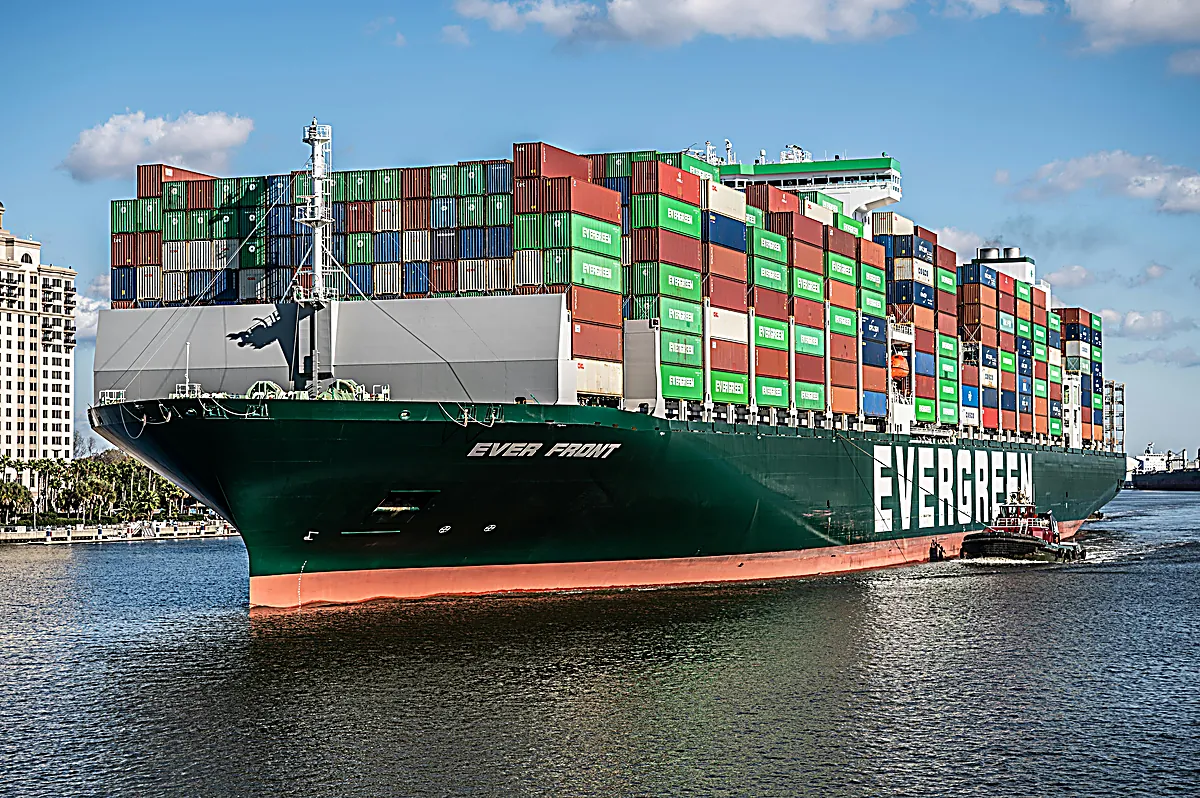
In practical terms, this removes import duties on all products – from agriculture and food to textiles, industry, minerals, and energy. However, VAT, local taxes, transport, warehousing, inspections, and logistics still apply, so careful pricing and process planning are more important than ever. [web:82][web:86]
Who is this change most important for?
- Producers of food, beverages, and agricultural products who want to enter the Chinese market.
- Textile and processing factories looking for new buyers for finished goods, not only raw materials.
- Companies that already export to China and want to use zero tariffs to improve their terms.
- Traders and intermediaries who connect African manufacturers with Chinese buyers.
If you recognise yourself in one of these groups, the key question is: are you ready for Chinese business and logistics requirements?
How we support African exporters
Our focus is to help African companies turn zero tariffs into a real competitive advantage on the Chinese market. We work with businesses that are serious, have a clear plan, and realistic capacities.
We can assist you with:
- Checking products and HS codes – to see how Chinese customs classifies and treats your goods.
- Analysing the effect of zero tariffs on your price – how much more competitive you can realistically become.
- Preparing documentation and rules of origin – to ensure your goods genuinely qualify as “African origin”.
- Adapting packaging and labels to Chinese regulations.
- Connecting you with Chinese buyers and partners – where we already have contacts and experience.
- Organising logistics from Africa to China – from the port of departure to the Chinese port or warehouse.
Do you have a product you want to export from Africa to China and want to know whether zero tariffs really change your numbers? Send us a list of products (HS code, description, packaging, and planned volumes) and we will prepare an initial assessment with no obligation.
Send your product list →What we expect from you
For cooperation to make sense, it is important that:
- your product can meet Chinese quality, safety, and sanitary standards,
- you can provide stable volumes (not only occasional small trial shipments),
- you are willing to adapt packaging, labelling, and operations to Chinese market requirements.
If you are still exploring possibilities, we can start with smaller pilot projects and test the market together before committing to larger volumes.
How cooperation works in practice
- Contact and basic information – you send us a product list, HS codes (if available), and target markets in China.
- Preliminary analysis – we roughly check customs treatment, logistics options, and regulatory requirements.
- Proposed model – we outline if it is realistic to enter China and under which conditions.
- Agreed next steps – from test shipments to scaling up to larger, long‑term cooperation.
Why now?
The zero‑tariff decision for 53 African countries places African exporters in a more favourable position than competitors from regions that do not enjoy such preferences. This kind of window of opportunity does not open often, and in trade it is usually those who organise faster, prepare better, and work with reliable partners who benefit the most. [web:85][web:86]
If you want to discuss your specific case, contact us via the Business inquiry page. The more precise information you provide (product, volumes, country of origin, current markets), the more concrete we can be in assessing whether and how China’s new zero‑tariff policy can work in your favour.
Frequently asked questions
Does zero tariff mean there are no other costs when exporting to China?
No. Zero tariff means that the import duty rate in China is 0%, but you still have VAT, local taxes, transport, warehousing, customs brokerage, and any inspections or certificates required in China.
What are the basic conditions for African goods to qualify for zero tariffs in China?
Goods must originate from one of the 53 African countries that have diplomatic relations with China, comply with the relevant rules of origin, and be accompanied by a valid certificate of origin and all other documentation required by Chinese customs. [web:85][web:86]
Do zero tariffs apply to all products or only certain categories?
The zero‑tariff policy covers 100% of tariff lines, meaning it applies to all products that meet origin and documentation requirements – from agriculture and food to textiles, industrial goods, and minerals. [web:82][web:86]
Can small or trial shipments from Africa to China also benefit from zero tariffs?
In principle yes, if the goods meet rules of origin and have a valid certificate of origin. However, for small or trial shipments the challenge is whether the cost of documentation, logistics, and any required certificates is economically justified.
← Back to: Doing Business with China