

Doing business with China goes beyond importing – discover how to sell in China, navigate Chinese business culture, take advantage of free trade zones, work with digital platforms and build successful partnerships in both directions.
🌏 Key areas of doing business with China
A quick overview of the topics covered on this page:
Fundamentals: China and Hainan
Geography, administrative structure and Hainan Free Trade Port as a gateway to the Chinese market.
Selling and exporting to China
Practical case studies: wine, brands via Hainan, lobbying, free trade agreement.
Digital platforms and e‑commerce
JD.com, Amazon, the Chinese internet, mobile payments and their impact on business models.
Trade and transport developments
Tariffs, VAT, route disruptions and container shipping – what affects your cost calculations.
🗺️ China and Hainan
-
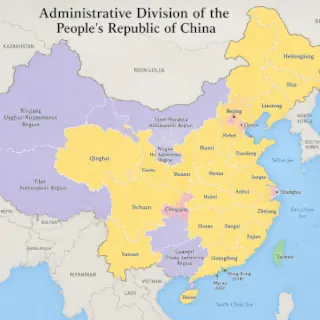
People's Republic of China
Geography, administrative divisions, key economic regions and why understanding the country matters before making deeper business decisions.
-
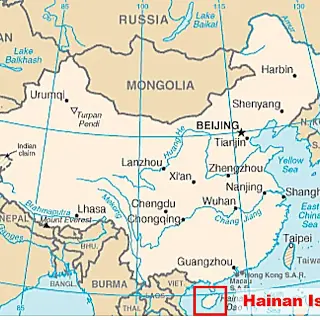
Hainan
China's largest free trade zone, zero tariffs for around 74% of products, with incentives for channelling goods to mainland China.
🌏 Selling and exporting to China
-

Selling wine in China
How Gabriel Group promotes Croatian wines on the Chinese market – trade fairs, marketing and adapting to Chinese consumers.
-

Exporting to China via Hainan FTP
How to use Hainan Free Trade Port for more favourable market entry: zero tariffs, 30% added value and models for brands that want to sell in China.
-

How to lobby in China
Guanxi, business associations and the decision‑making system – insights based on a master's thesis on lobbying in China.
-

Serbia–China Free Trade Agreement
Serbian exports to China free of customs duties: around 20,000 products, phased liberalisation until 2038 and key details of the agreement effective from 1 July 2024.
-

China removes tariffs for 53 African countries
The latest trade policy reforms and what tariff removal means for global business and supply chains.
💻 Digital platforms and the Chinese economy
-

JD.com in Europe
JD.com's expansion into the European market – strategy, competition with Alibaba and Amazon, and opportunities for European sellers.
-

Creating products in China for Amazon
From idea and design, through finding a factory and sampling, to packaging, branding and shipping to Amazon FBA warehouses.
-

Chinese internet: why Google and WhatsApp do not work in China
The Chinese internet operates under its own rules: blocked apps, local alternatives and what this means for communication and doing business with China.
-

QR payments in Serbia
How mobile payments started in Serbia, what IPS QR is and why this model is similar to Chinese mobile payment systems.
📰 Current changes in trade and transport
-

Hormuz crisis and its impact on imports
Geopolitical tensions around the Strait of Hormuz and their impact on routes, prices and lead times for sea freight from China.
-

New EU rules – customs on small parcels
Ending the duty‑free exemption for parcels up to EUR 150 – impact on AliExpress shopping and business importers.
-
China to phase out export VAT rebates in 2026
Gradual removal of VAT rebates for exporters and how these changes affect prices and the sectors most exposed.
-

Tariff trade war: USA, EU and China
The global tariff war between the USA, China and the EU and its consequences for supply chains and import costs.
🔑 Key specifics of doing business with China
- Guanxi (关系): Personal and business relationships are crucial – formal contracts alone are not enough.
- Long‑term approach: Chinese partners build long‑term relationships and do not expect quick wins.
- Hierarchy: Decisions are made by top management; the process is centralised and can be slow.
- Face (面子): Respect, reputation and avoiding public criticism are essential.
- Digitalisation: China is a leader in e‑commerce, mobile payments and digital marketing.
- Regulation: Rules change continuously – ongoing monitoring and adaptation are necessary.
💡 Tips for successful business with China
- Learn the basics of the language: Even basic Chinese shows respect and makes communication easier.
- Invest in relationships: Spend time on networking – dinners, meetings and informal gatherings.
- Be patient: Negotiations and decision‑making often take longer than in Western markets.
- Local partners: Find a reliable local partner who understands the market and culture.
- WeChat is a must: The key communication platform in China – essential for doing business.
- Gabriel Group support: We help you navigate the Chinese business system, build networks and enter the market.