

How to organize shipping of goods from China
Everything about shipping: sea and air freight, containers, and Incoterms 2020 – how to choose a cost‑effective and safe shipping method for your goods from China.
💡 How does importing from China work?
Whether you are importing for the first time or want to optimize the process, these are the key stages of the import journey:
Product selection
Define what you are importing, target market, quantities, and margin.
Suppliers
Finding and vetting suppliers, samples, negotiations, and agreeing commercial terms (FOB, CIF, etc.).
Customs and regulations
HS codes, duty rates, origin, permits, and other documentation.
Quality control
Factory inspections, pre‑shipment checks, and reducing the risk of complaints and returns.
Shipping
Choosing between LCL/FCL, routes and freight forwarders, lead times, and shipment tracking.
🎯 Key shipping guides
-
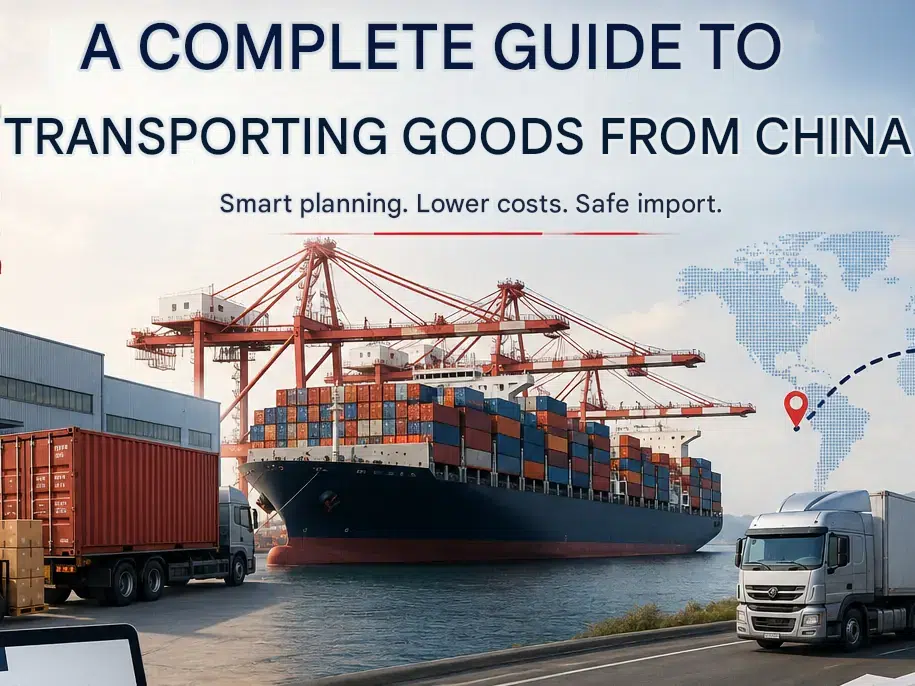
Complete guide for shipping goods from China
A detailed overview of the goods journey from factory to your warehouse: shipping stages, realistic delivery times (45–60 days), the role of freight forwarders, cost structure, and the most common mistakes importers make when organizing logistics.
-
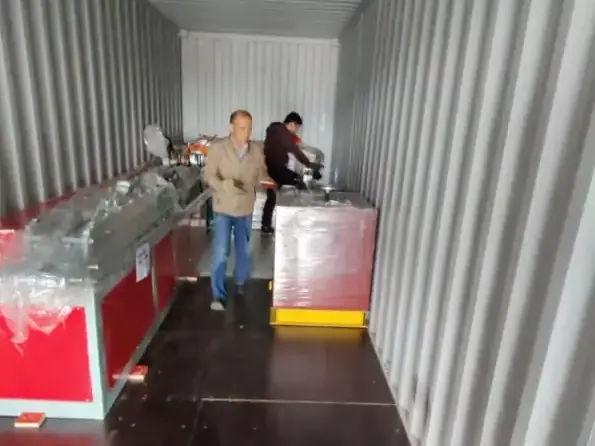
Containers for Shipping from China
Container types (20ft, 40ft, 40ft HC, Open Top, Flat Rack), their dimensions, volume, and capacity, plus tips on how to choose the right container and pack your goods properly.
-
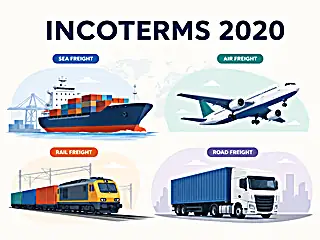
Incoterms 2020
A guide to Incoterms 2020 from the importer's perspective: the difference between EXW, FOB, CIF, DAP, and DDP, who pays for which part of the journey, when risks transfer, and why we most often recommend FOB or DAP to beginners instead of the "cheapest" options.
📚 Additional guides for shipping from China
-
European ports for import from China: Rijeka and Koper
Overview of European ports for import from China: Rijeka, Koper, Piran, Hamburg, Rotterdam. Why Rijeka and Koper are the best choice for Serbia, direct and feeder routes, and what affects total cost and delivery time.
-

Cargo Insurance for China Shipments
Why carrier liability is not the same as cargo insurance, when insurance matters most, the difference between single-shipment and annual cover, and why LCL, fragile, and high-value goods carry more risk without proper protection.
-
Top Chinese Seaports for Shipping from China
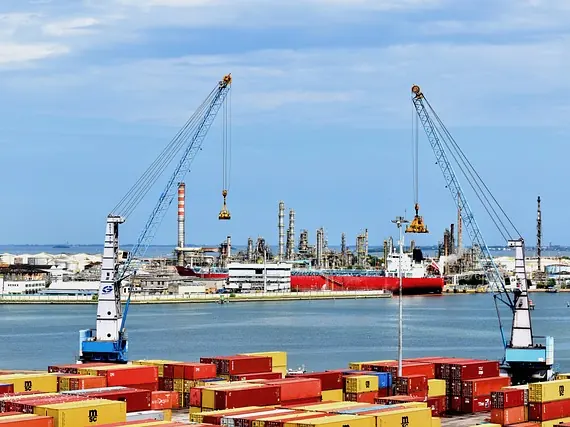
A quick overview of major export ports like Shanghai, Shenzhen, Ningbo, Guangzhou, Qingdao, and Xiamen, including where they are, what they handle best, and why each one matters.
💰 Related topics
-
How the Hormuz Crisis Affects Imports from China
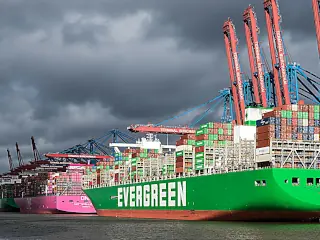
How the Hormuz crisis changes routes, prices, and delivery times for shipments from China to Europe.
-
Shipping costs from China in 2020
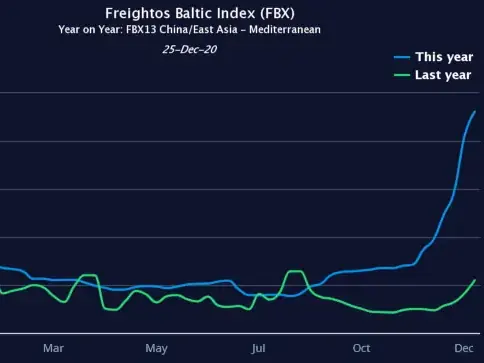
How sea and air freight prices changed during COVID‑19: which charges are included in LCL, FCL, and air freight quotes, why rates fluctuated so much, and real examples from 2020/2021.
-
Container Shipping Costs from China in 2020–2021
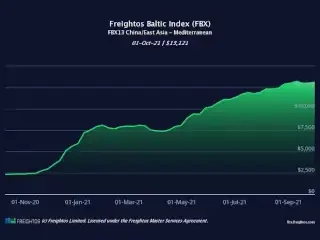
How the pandemic pushed container shipping rates from China to record highs, with port delays in the US, power shortages in China, and major supply chain disruption for importers.
-
Why Free Shipping from China Was Possible
How “free shipping” from China actually worked, why it used to be cost‑effective for small parcels, and how new EU rules with a flat €3 duty per item are changing the economics of tiny shipments and e‑commerce. Read more in New EU rules: €3 duty on small parcels.
📊 Comparison table: Sea / Air for other European ports
| Factor | 🚢 Sea freight (China → Europe) | ✈️ Air freight (China → Europe) |
|---|---|---|
| Transit time | About 30–45 days on standard routes via Suez; 45–60+ days if there are delays or the ship reroutes around the Cape of Good Hope | About 3–7 days (up to 8–10 days on more complex routes or with customs delays) |
| Price (relative) | $$ (cheaper per unit of cargo) | $$$$ (more expensive, often 4–10× or more) |
| Best for | Large volumes, heavy cargo, less urgent shipments | Small volumes, light cargo, urgent shipments |
| Minimum quantity | 1 m³ (LCL) or 15 m³+ (FCL) | No minimum (from 1 kg) |
| Reliability | Good, but depends on port, route, and season | Very good, but limited by available capacity |
Transit times are approximate and depend on the origin port in China, the European destination port or airport (for example Rotterdam, Hamburg, or Antwerp), routing, customs clearance, and inland delivery.
💡 Tips for optimizing shipping:
- Plan ahead: Book space 2–3 weeks in advance, especially during peak season.
- Consolidate shipments: Combine orders from multiple suppliers into one shipment to reduce costs.
- Optimize packaging: Compact packaging can reduce volumetric weight and lower shipping costs.
- Check Incoterms: FOB, CIF, EXW — understanding the terms helps avoid hidden costs and delays.
- Insure your cargo: Cargo insurance helps protect against loss or damage during transit.
- Ask for tracking: Request a tracking number or shipment reference for better visibility.
🚢 Gabriel Group – logistics support from China
Our team in China offers:
- ✅ Consolidation of shipments from multiple suppliers
- ✅ Transport coordination from factory to port or airport
- ✅ Export customs clearance in China
- ✅ Cargo insurance during transit
- ✅ Warehousing and dispatch coordination
- ✅ Shipment tracking and status updates
Explore other resources:
-
Product selection
Criteria for choosing profitable products, assessing demand, and where different products are made in China.
-
Suppliers
How to find and vet suppliers, platforms, trade fairs, and negotiation.
-
Customs and regulations
HS codes, duty rates, origin, permits, and documentation for importing.
-
Quality control
Inspections, factory audits, and reducing business risks.
-
Shipping from China
LCL vs FCL, container rates, ports, lead times, and practical tips.