

Back in the late 20th century, quality control for products coming from China wasn’t exactly at a high level. There were no clear parameters for evaluating either the production process or the finished products.
Today, around 20 years after importing from China became common all over the world, structured processes and analysis frameworks have been created to monitor and control product consistency and quality.
Unfortunately, in many markets – especially in our region – people still tend to take product reliability and quality for granted.
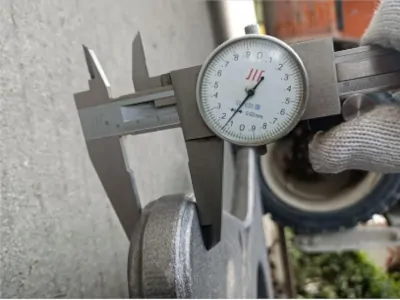
If you’re importing full containers from China, we strongly recommend you never skip quality control. You’ll know exactly what to expect when the goods arrive, and if needed, you can even stop the shipment while it’s still in China until the supplier fixes the issues.
There are a lot of misconceptions about the quality control industry, especially when it comes to products made in China. Many importers assume they have to check every single unit and every component before shipping. Checking 100% of the order is sometimes necessary for certain buyers and high-value products. But for most consumer goods, random sampling based on an agreed AQL level is a much more cost-effective solution.
In this guide, we’ll take a closer look at product quality control, explain a few key concepts, and show you how we handle it in practice.
What is quality control?
“Quality” has no single universal definition. One person may think something looks great, while another sees nothing but flaws. Some people are happy with a product, others will immediately find ten things they don’t like.
Even though “quality” is subjective to a point, quality control is a structured process where products or services are tested and measured to make sure they meet the required standard. In other words, quality control is the way a company makes sure product quality is maintained or improved over time.
There are two main goals of product quality control:
- to make products as consistent as reasonably possible
- to minimize errors and defects
When we talk about quality control for imports from China, we also have to mention AQL.
What is the AQL standard?
AQL stands for Acceptable Quality Limit. It’s a measure applied to products and defined in ISO 2859-1 as “the worst tolerable quality level.” In practice, AQL tells you how many defective units are considered acceptable during random-sample quality inspections.
As an importer, your ideal AQL would be “zero defects”. In reality, you often have to work with an acceptable level of defects instead. AQL helps you monitor quality and avoid batches with an unsatisfactory defect rate. If you and your supplier agree on an AQL of 1%, the number of defective units in the supplier’s batch should not exceed 1%. So in a batch of 1,000 units, up to 10 defective items may still be acceptable. If inspectors find 11 or more, the batch fails the inspection and should be rejected.
Defective units above the agreed limit or percentage are described as the Rejectable Quality Limit (RQL). This is the level of quality that is not acceptable.
It’s important to note that AQL levels are not the same for every industry. For example, AQL for medical or safety-related products is much stricter, because even a single defect can carry a higher risk for the end user. AQL defects are quality issues found during random inspections and are usually grouped into three categories.
Critical defects
These are serious defects that may cause harm or pose a serious risk to the end user. Importers usually set AQL at 0.0 for critical defects. If inspectors find even one critical defect in the sample, the entire order typically fails the inspection.
Major defects
These defects are less serious than critical ones, but still unacceptable for most buyers because they significantly increase the risk of product failure. Importers often use an AQL level of around 2.5% for major defects.
Minor defects
These are small issues that have limited impact on safety or usability. Most importers use an AQL level of around 4% for minor defects.
Under standard inspection conditions, AQL levels typically range from 0.065 to 6.5. The higher the AQL level, the more lenient the inspection. For general consumer products, AQL is often set at 2.5, which usually means zero tolerance for critical defects, 2.5 for major defects, and 4 for minor defects.
Three general AQL inspection levels
There are three general AQL inspection levels: “I”, “II”, and “III”. Each level corresponds to a different sample size taken from the batch.
The inspector checks the entire sample size for quality issues related to product performance, function, and visual appearance. Any defects found in the sample count toward the final “pass” or “fail” decision for the batch.
Inspection level “I” is the lowest level and uses the smallest sample size of the three general inspection levels.
Inspection level “II” is often called the “normal” sample size. It is the most commonly used level among importers because it gives a good balance between inspection depth and cost.
Level “II” is usually a good choice for the first inspection of a new product batch. Looking at the results of these first inspections helps you decide whether level “II” is still appropriate, or whether you should move to a higher or lower inspection level.
Inspection level “III” uses the largest sample size for a given batch out of the three general AQL levels. For example, for a batch of 5,000 units, level “I” might require checking 80 units, while level “III” would require checking about 315 units – almost four times more.
This inspection level gives you the broadest view of the batch and the highest assurance about the quality status of the order. In other words, level “III” does the most to reduce your risk of receiving a shipment with an unacceptably high number of defects.
If all of this sounds a bit abstract, here’s what it looks like in practice.
Detailed inspection checklist
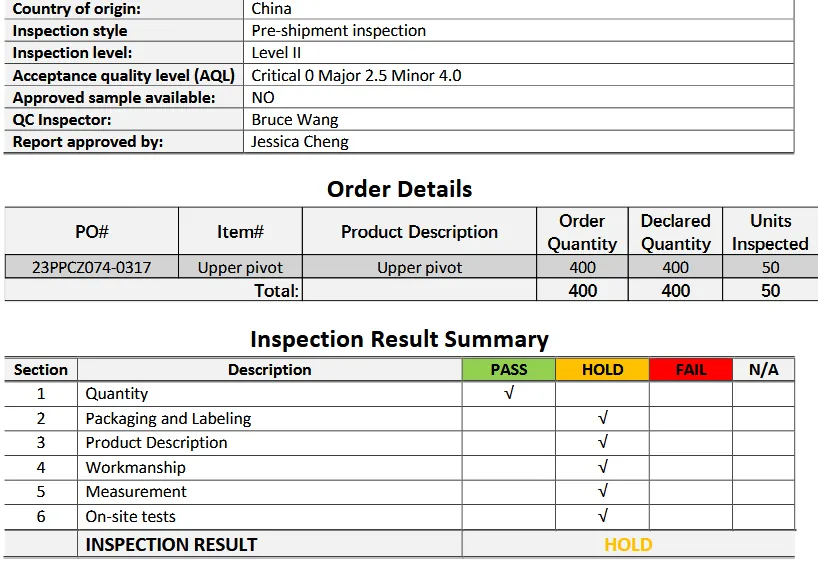
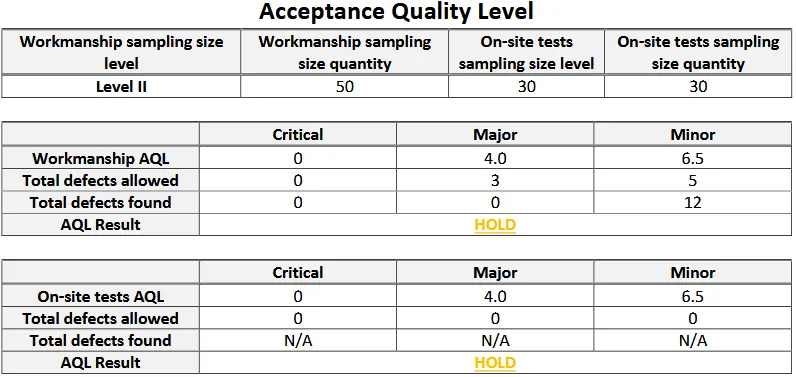
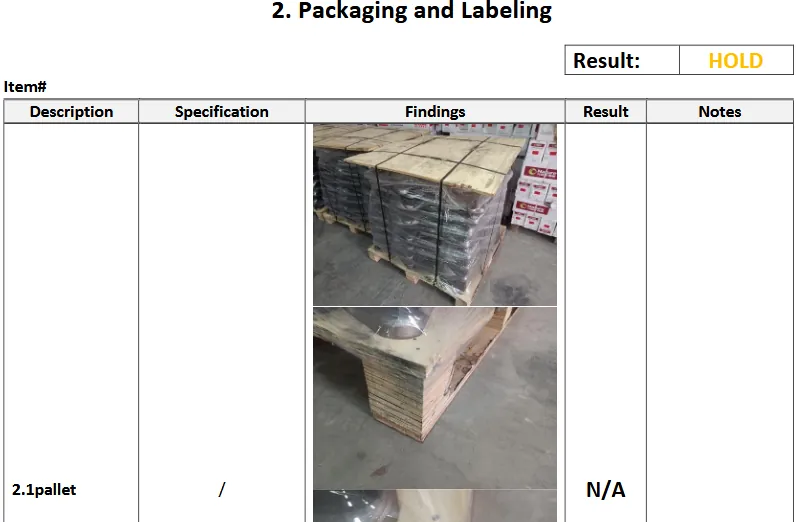
After the general conclusion, the report continues with a detailed checklist of control points, including descriptions and on-site photos.
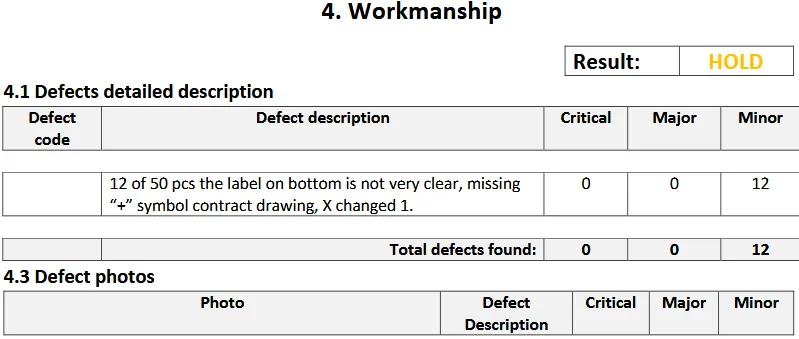
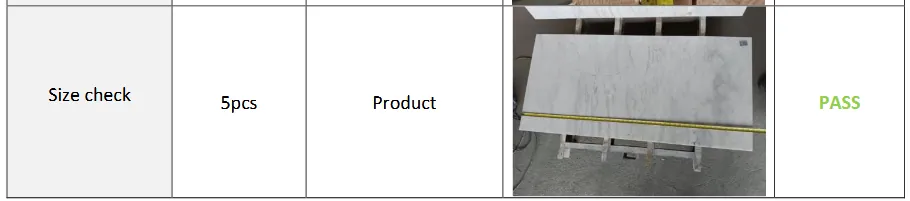
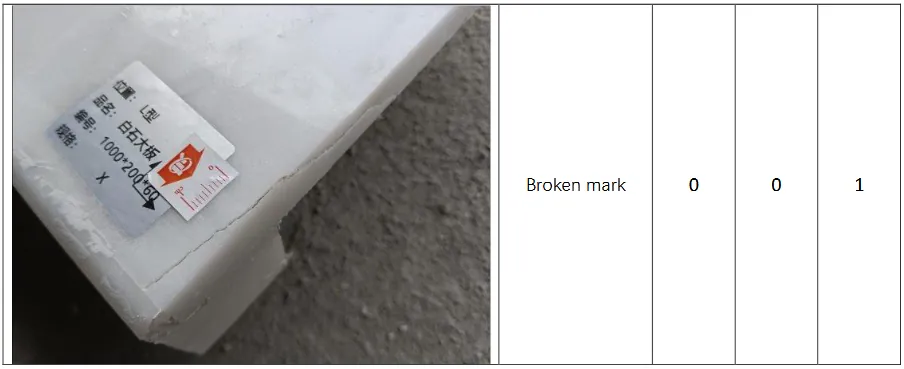
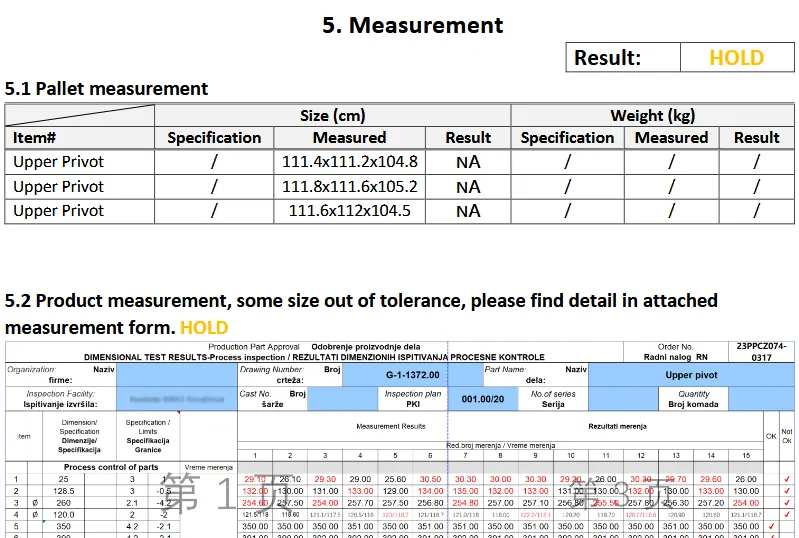
We hope this gave you a clearer picture of why product inspection matters and what basic testing looks like in practice.
If you have any questions or need inspection and quality control in China, get in touch with us.
Frequently asked questions
Do I need to check 100% of the order?
Checking 100% of the order is sometimes necessary for certain buyers and high-value products, especially when the risk of defects is high or the consequences of failure are serious. For most importers of consumer goods, random sampling and quality control based on an agreed AQL standard is more cost-effective and usually sufficient.
What does AQL 1% mean for my order in practice?
AQL 1% means that up to 1% of the units in the batch may have defects and still be considered acceptable, according to the agreed sampling plan. For example, in a batch of 1,000 products, up to 10 defective units may be acceptable, while 11 or more usually means the batch fails the inspection.
What is the difference between critical, major, and minor defects?
Critical defects are those that can seriously harm the end user, so the AQL for them is usually 0.0% – even one critical defect often means the batch fails. Major defects affect the product’s function or usability and are often set at an AQL of around 2.5%, while minor defects are small issues that don’t significantly affect use and are often set around 4%.
When should I require a stricter AQL level?
A stricter AQL level makes sense for high-value products, safety-critical items, or when you are working with a new supplier for the first time. In those cases, tolerance for defects is lower, so the acceptable quality level should be stricter as well.
Quality Control Guide
Contracts and Quality Control in China
Golden sample, PO, key contract clauses, and types of inspections before shipping from China – how to protect quality and delivery times.
Quality control and the AQL standard
AQL standard, inspection levels (I, II, III), what critical/major/minor defects are, and how practical quality control in China works in real life.
Pre-shipment Inspection in China: How We Work
What a professional inspection looks like: visual checks, specification verification, and functional testing. A documented example with a 100+ page report that our client receives.
Customs and import rules for China
Go back to the guides on customs clearance and paperwork.
← Back to CustomsShipping from China
After choosing the product, supplier, and arranging quality control, the next step is organizing transport.
Continue to Shipping →Back to: ← Quality control
Back to: ← China sourcing – starting point