

When you’re sourcing products from China, it’s important to make sure the goods match your agreed specifications before they leave the factory. Pre-shipment inspection and product testing help you catch problems early, avoid costly complaints, and make sure you get exactly what you ordered.
Whether you’re importing electronics, textiles, furniture, or any other type of product, inspection is an essential step that can save you time, money, and a lot of headaches down the road.
In this article, we’ll explain how the inspection process works, why it matters, and how to get the most out of it so you can protect the quality of your products.
Why is inspection important?
Pre-shipment product inspection offers several important benefits:
- Lower risk of defects: Inspection helps you spot problems early, before they turn into expensive claims or returns.
- Protecting your reputation: Good quality means satisfied customers, which is key if you want to build trust and long-term business relationships.
- Saving time and money: It’s always better to catch issues in the factory than after the goods arrive in your country, when transport, customs, and storage costs have already added up.
- Building trust with your supplier: Regular inspections show the supplier that you take quality seriously, which usually leads to better cooperation.
Inspection process step by step
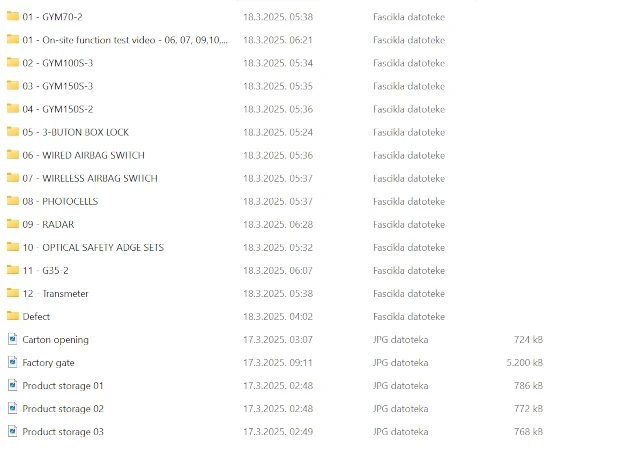
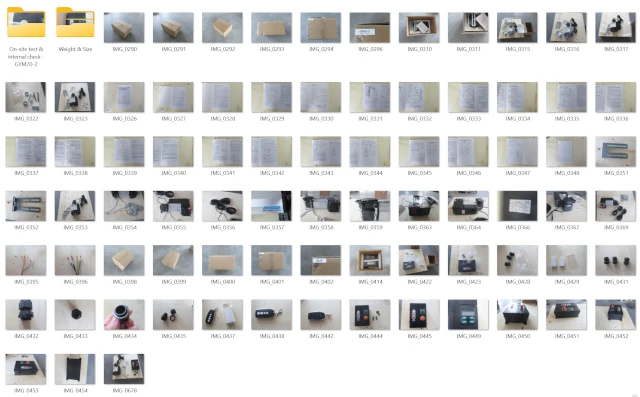
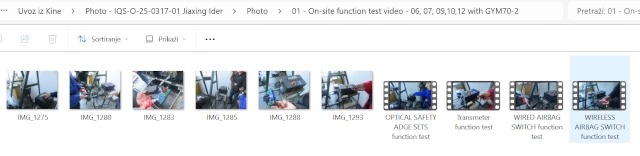
For one of our clients, we carried out a product inspection and quality check, and we’d like to show you what that looks like in practice. In this case, we inspected several related products for the same buyer. For each product, the client received a separate folder with photos and supporting video material.
Altogether, the client received 504 photos and 13 videos.
All of the material was then collected into one detailed 138-page PDF file, which presents the findings and clearly states whether the goods passed our inspection.
Factory conditions and storage check
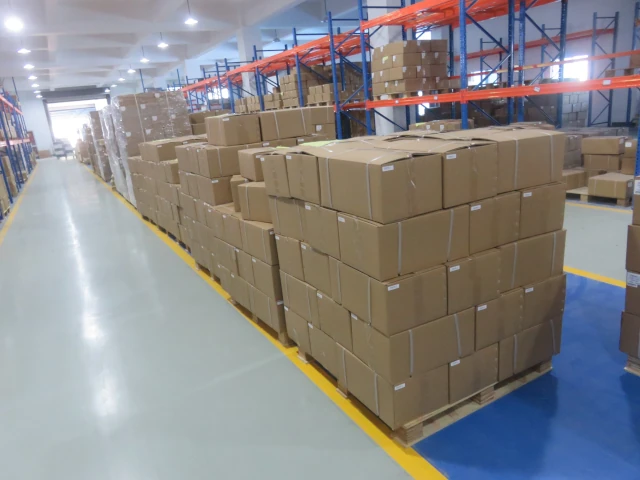
Inspectors first walk through the warehouse to check how the goods are stored. Poor storage conditions can affect product quality very quickly. For example, high humidity can cause rust on metal parts, while direct sunlight can fade colors on textiles, plastics, and similar materials. Inspectors also look at how products are arranged and whether there is any risk of damage from poor stacking or contact between items.
Opening cartons and visual check
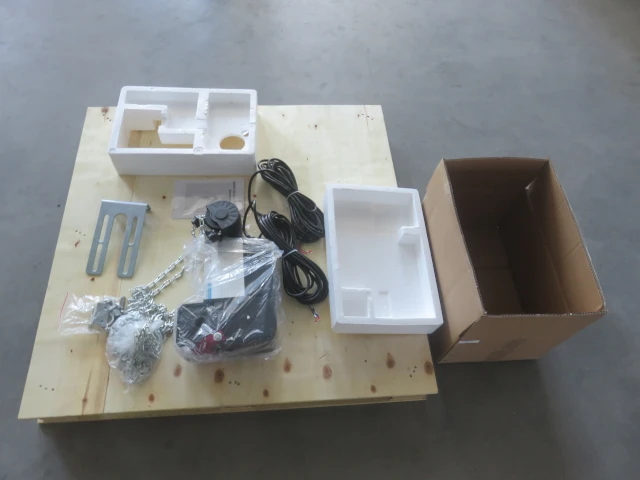
The first hands-on step is opening the cartons and doing a visual check of the products inside. The goal is to make sure the packaging hasn’t been damaged during storage or handling inside the factory. Inspectors check whether the boxes are sturdy, properly sealed, and whether the products are protected well enough against damage. This is especially important for fragile goods or items that need to travel long distances.
Checking products against specifications
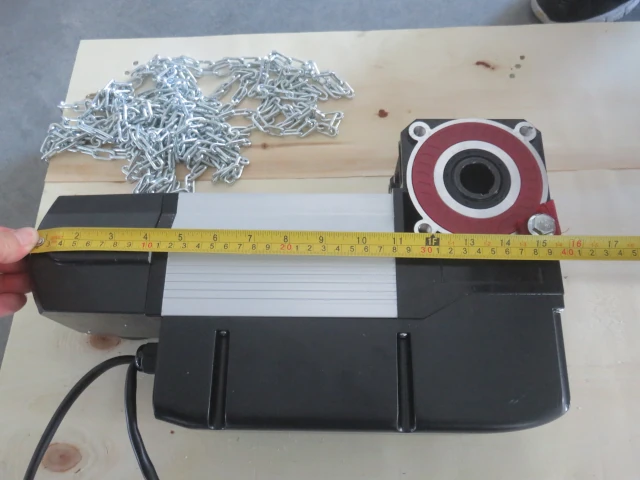
Each product is then checked against the buyer’s requirements, including dimensions, materials, and functionality. Any differences are noted and documented. For example, if you ordered chairs with a specific height, inspectors will measure them to make sure they all match the agreed specification. They also check material quality — whether the plastic is solid, whether the metal parts are properly finished, and so on.
Functional testing
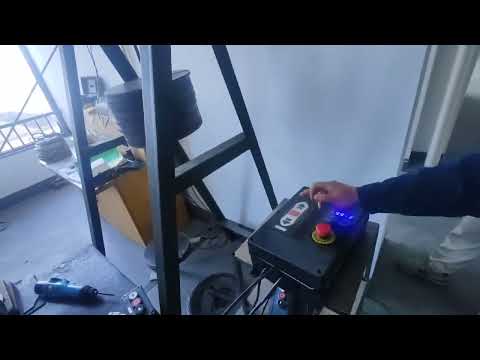
For electrical devices or mechanical parts, inspectors also carry out functional tests to see how the product performs in real conditions. For example, if you’re importing LED bulbs, inspectors will check whether all of them work, whether the light color matches the specification, and whether there is any sign of overheating. For mechanical products, they check whether all parts work properly and whether there is any risk of failure.
Load testing
Packing and transport preparation
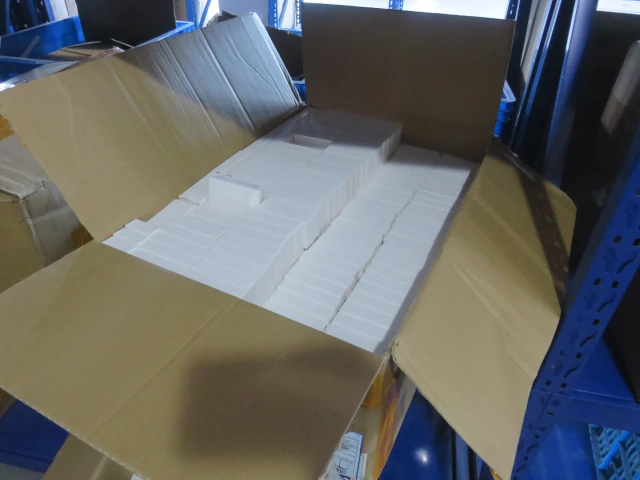
Once the products pass inspection, the next step is to make sure they are packed properly for safe transport. Poor packaging is one of the main reasons goods get damaged in transit. Inspectors check whether the cartons are strong enough, whether the products are protected with foam or other materials, and whether everything is properly labeled for shipping. They also check whether the cartons include the necessary details, such as the order number, product name, and handling instructions.
How to choose the right inspection team
If you want a reliable inspection, it’s important to work with a trusted provider. Here are a few practical tips:
- Experience and reputation: Choose a provider with solid experience in your product category or industry.
- Certifications: Check whether the inspection company has relevant certifications, such as ISO 9001.
- Local presence: If you import from China, choose a provider with inspectors based on the ground in China.
- Detailed reports: Make sure you receive a clear report with photos, a description of the issues, and practical recommendations.
Conclusion
Inspection and testing are essential parts of safe importing. With a proper pre-shipment check, you can make sure your products meet the required standards and avoid problems caused by poor quality or defective goods.
Inspection is not just an extra cost — it’s an investment in quality, trust, and the long-term success of your business. If you need help organizing an inspection in China, feel free to contact us.
Contact us for more information about inspections in China!
Frequently asked questions
When is inspection necessary?
Inspection is especially important when you’re working with a new supplier, when the shipment value is high, or when the product specifications are strict.
What happens if the goods fail inspection?
Inspection is done before shipping, so any problems can be fixed at the factory. If the goods fail, the supplier corrects the issues before a re-inspection is done.
Quality Control Guide
Contracts and Quality Control in China
Golden sample, PO, key contract clauses, and types of inspections before shipping from China – how to protect quality and delivery times.
Quality control and the AQL standard
AQL standard, inspection levels (I, II, III), what critical/major/minor defects are, and how practical quality control in China works in real life.
Pre-shipment Inspection in China: How We Work
What a professional inspection looks like: visual checks, specification verification, and functional testing. A documented example with a 100+ page report that our client receives.
Customs and import rules for China
Go back to the guides on customs clearance and paperwork.
← Back to CustomsShipping from China
After choosing the product, supplier, and arranging quality control, the next step is organizing transport.
Continue to Shipping →Back to: ← Quality control
Back to: ← China sourcing – starting point