

What is Made‑in‑China.com
Made‑in‑China.com was created and developed by Focus Technology Co., Ltd, a Chinese company that is one of the pioneers and leaders in e‑business in China.
Focus Technology was founded in 1996 with a simple mission: help clients reduce costs and increase sales and profit through efficient internet‑based solutions.
As China’s exports, trade, and internet usage grew rapidly, Focus Technology launched Made‑in‑China.com – a B2B trading platform designed to give buyers complete, accurate, and up‑to‑date information about Chinese products and suppliers online.
Today, Made‑in‑China.com is one of the leading global B2B portals focused on connecting international buyers with Chinese suppliers.
The platform officially went live in 1998.

In the following decade, China’s foreign trade changed dramatically. China’s entry into the WTO brought the fastest growth in foreign trade in the country’s history, but at the same time Made‑in‑China.com had to get through a number of challenges: trade slowdowns, global economic crises, the US financial crisis, periods of weaker domestic growth, reduced investment in many industries, and rising protectionism in international trade.
China’s small and medium‑sized enterprises and Made‑in‑China.com shared the same experience and the same goal: “promote products made in China, serve small and medium‑sized businesses, and support global trade”.
You can see a step‑by‑step guide on how to use Made‑in‑China.com here: https://www.made-in-china.com/help/how-to-source-products-on-made-in-china-com.html .
How the platform works
Made‑in‑China.com is a B2B platform that connects global buyers with Chinese manufacturers, suppliers, and exporters.
Buyers can search for products by category, keyword, or through the RFQ (Request for Quotation) system, while suppliers can showcase their products, production capabilities, and certifications.
The platform is available in multiple languages and targets buyers from the US, Europe, and other regions, with the goal of reducing language and communication barriers between buyers and manufacturers.
Connecting buyers and suppliers
One of the core goals of Made‑in‑China.com is to connect buyers and suppliers under the simple idea: “where there is a buyer, there is a seller”.
Through SEO, trade show presence, online campaigns, and other channels, the platform makes it easier for overseas buyers to find Chinese suppliers across almost any industry.
The site is translated into 11 languages and offers localized support for a number of countries (including the US, UK, Spain, Portugal, France, and Russia), which helps reduce language barriers in day‑to‑day communication.
Trust and “Audited Supplier”
For both buyers and suppliers, trust is a key condition for doing business, especially when it comes to larger orders and long‑term projects.
Since 2007, Made‑in‑China.com has run the “Audited Supplier” program in cooperation with well‑known inspection companies such as SGS, Bureau Veritas, TÜV Rheinland, and CTI.
These independent organizations verify the authenticity and capabilities of suppliers, including their business licenses, production facilities, quality systems, process control, and other key areas. The result is a detailed report available online, which helps buyers reduce risk when choosing suppliers.
On the platform, “Audited Supplier” companies are clearly marked, and you can filter or search specifically for them when a high level of verification is a priority.
Sales promotion, RFQ, and advanced features
Made‑in‑China.com also focuses on helping exporters grow their sales and reach overseas markets more easily.
The platform helps manufacturers improve their position in international trade, optimize export costs through tailored services, and build brands that are recognizable in global markets.
RFQ – requests for quotation
When buyers have a specific or urgent purchasing need, they can post an RFQ (Request for Quotation) on Made‑in‑China.com and receive quotes from multiple suppliers in a short time.
In the RFQ form, the buyer specifies the product, quantity, technical requirements, standards, certifications, and other details. The platform then forwards the request to relevant suppliers that match the criteria, and those suppliers send their offers.
This way, the buyer can compare several offers in one place instead of contacting dozens of suppliers one by one.
inQbrands and local support
In 2016, the US‑based company inQbrands was officially established. It integrates high‑quality local resources in the United States, helps Chinese companies position themselves on the US market, and provides localized marketing and after‑sales support in the US and neighboring countries.
360° virtual tours and personalized recommendations
In 2017, Made‑in‑China.com launched 360‑degree panoramic tours that allow switching between 2D and 3D views and presenting offices and production facilities in more detail. Buyers can “walk through” factories virtually from their computer or phone, which helps them evaluate suppliers without traveling to China.
In 2019, the platform introduced personalized recommendation services based on buyers’ browsing history and behavior, with more weight given to ratings and reviews from existing customers. This makes it easier for buyers to find relevant products and suppliers.
STS – Secured Trading Service (payment protection)
To further reduce risk for both sides, Made‑in‑China.com offers STS (Secured Trading Service).
STS works like an escrow service built into the platform: the buyer pays into a virtual account managed by Made‑in‑China.com, and the platform holds the funds and releases them to the supplier only when the agreed delivery and quality conditions are met.
This protects the rights and interests of both parties and significantly lowers the risk of non‑delivery or poor‑quality goods. For some STS transactions a small service fee may apply, so it’s important to check the terms in advance and agree with the supplier how that fee will be shared.
Since launch, Made‑in‑China.com has helped many small and medium‑sized companies start exporting at all, while also supporting product upgrades and industrial transformation for a large number of manufacturers.
When to use Made‑in‑China, and when Alibaba?
Made‑in‑China.com and Alibaba are competing B2B platforms, but in practice many buyers use them for different purposes – or in parallel – to get a wider view of suppliers and offers.
Made‑in‑China.com is especially useful when you are looking for manufacturers in specific industries, want to work mainly with suppliers that have “Audited Supplier” status, or want to use STS as an extra layer of payment protection.
Alibaba has higher global brand recognition and more sellers overall, but Made‑in‑China.com can provide more detailed inspection reports and a solid alternative, especially when you want to compare prices, terms, and support levels across two different platforms.
Watch a video overview of the site
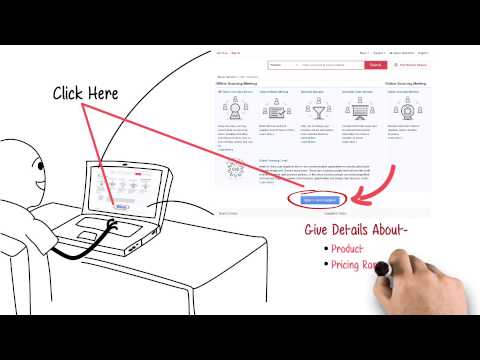
Video guide: how to buy via the Made‑in‑China.com platform
Frequently asked questions
Is Made‑in‑China.com safe to buy from?
The platform offers several tools to reduce risk: the “Audited Supplier” program with independent inspection companies, 360° factory views, and the STS (Secured Trading Service) escrow system. Still, no matter how much protection is available, you should always review the supplier, contract, and product specifications carefully before you pay anything.
What is an “Audited Supplier” on Made‑in‑China.com?
An “Audited Supplier” is a supplier that has passed a detailed inspection by independent companies such as SGS, Bureau Veritas, TÜV Rheinland, CTI, and others. These firms verify the business license, production capacity, quality systems, and control procedures. The reports are available online and help buyers better evaluate how serious a supplier is.
How does STS (Secured Trading Service) work?
With STS, the buyer does not pay the supplier directly, but sends the payment to Made‑in‑China.com. The platform holds the funds and releases them to the supplier only after delivery has been confirmed according to the agreed conditions. This significantly reduces the risk of non‑delivery or poor quality, but you should still check whether there is an additional STS fee for your specific order.
How can I get the most out of RFQ on Made‑in‑China.com?
When submitting an RFQ, be as specific as possible: list the product, quantities, materials, certifications, packaging, and target market standards. This way you’ll receive more relevant offers, compare them more easily, and avoid getting flooded with completely different options. Before choosing a supplier, check their ratings and whether they have “Audited Supplier” status.
Should I use Made‑in‑China.com or Alibaba?
The best approach is to treat them as two parallel tools. For the same product, you can request quotes from both Alibaba and Made‑in‑China.com, then compare prices, terms, supplier verification, and payment protection options. In many cases, one of the platforms will give you a supplier that simply fits your project better.
Supplier Guide
Finding and verifying suppliers
How to systematically find suppliers and check whether they’re truly reliable before you start working together.
How to choose a manufacturer in China
Practical criteria for choosing a factory once you’ve narrowed down your supplier list.
The Most Cost-Effective Way to Buy from China
Compare three buying options - cheap(B2C), cheaper(bulk on Alibaba), and most cost-effective(local factories + China agent).
How to Negotiate with Chinese Suppliers
A practical guide to negotiating with Chinese suppliers, with a focus on preparation, cooperation terms, and getting the right price.
MOQ and hidden import costs
What MOQ means, how to negotiate it, and which additional costs you should plan for before ordering.
Choosing Products to Import from China
Go back to our guides on finding profitable products and learn which regions of China specialize in different product categories.
← Back to Product SelectionCustoms and Import Regulations
Once you've selected a supplier, the next step is understanding HS codes, customs duties, product origin requirements, and the paperwork needed for importing.
Continue to Customs →Back to: ← China Supplier Guides
Back to: ← China Sourcing Hub