

Introduction to District 5
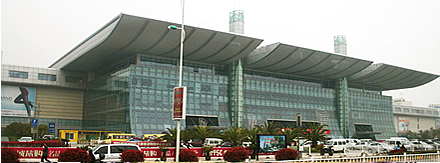 District 5 is the newest and one of the most modern parts of the Yiwu market, opened on May 5, 2011.
It covers 266,200 m2 of land, with 640,000 m2 of indoor space and more than 7,000 booths.
With a total investment of 1.42 billion yuan, it has become the key hub in Yiwu for imported goods, bedding,
home textiles, and sewing and knitting materials.
District 5 is the newest and one of the most modern parts of the Yiwu market, opened on May 5, 2011.
It covers 266,200 m2 of land, with 640,000 m2 of indoor space and more than 7,000 booths.
With a total investment of 1.42 billion yuan, it has become the key hub in Yiwu for imported goods, bedding,
home textiles, and sewing and knitting materials.
District 5 is designed as an international business center that combines sourcing, tourism, and leisure, and it is equipped with up-to-date infrastructure and technology. This is where import product stores, hotels, restaurants, textile companies, and boutiques source bedding sets, home textiles, and fabrics and accessories for sewing.
What you can buy in District 5
District 5 focuses on imported products, bedding, home textiles, sewing and knitting materials, automotive supplies, hotel and restaurant supplies, as well as gifts and themed items.
- bedding: bed linen, duvet covers, blankets, pillows, and bedroom accessories
- home textiles: curtains, home fabrics, tablecloths, towels, and similar items
- sewing and knitting materials: fabrics, lace, ribbons, threads, and notions
- imported products: international brands, specialty items, and unique gifts
- hotel and restaurant supplies: hotel textiles, table linen, serving items, and decor
- auto accessories: car care products, interior accessories, and add-ons
- themed items and gifts: business gifts, themed gift sets, and special occasion products
Floor layout – District 5
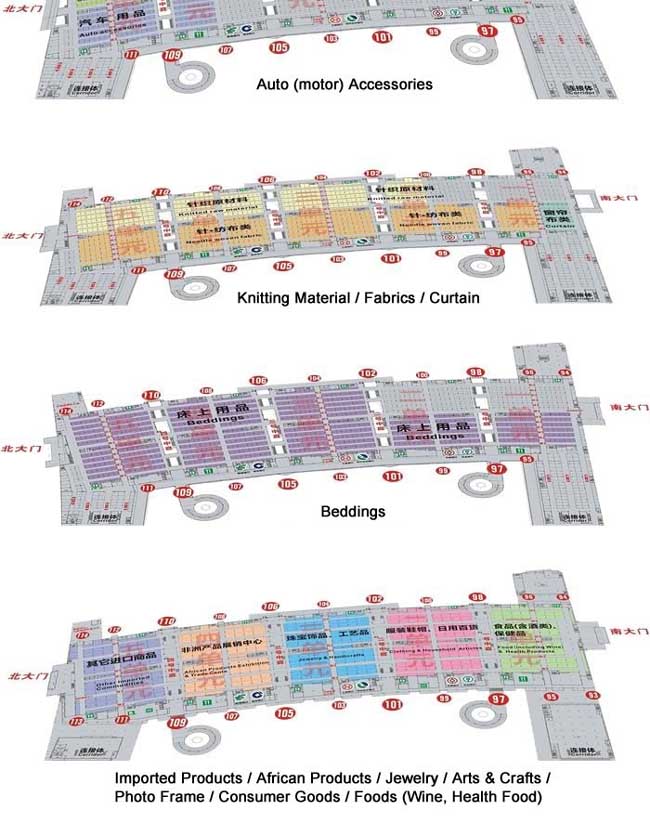
District 5 has five main floors, and each one is dedicated to specific product categories, which makes it easy to plan your visit.
- 1st floor — bedding
- 2nd floor — home textiles
- 3rd floor — sewing and knitting materials
- 4th floor — imported products and gifts
- 5th floor — hotel and restaurant supplies, auto accessories, and themed items
Who District 5 is for
District 5 is a great fit for import product retailers, hotels and restaurants, textile companies, boutiques that sell bedding sets and home textiles, as well as brands that want to add imported items to their product range.
- stores focused on imported products and international brands
- hotels and restaurants that need textiles and operational supplies
- textile companies and boutiques specializing in bedding and home textiles
- online shops with a wide assortment of bedding and home textiles
- manufacturers that want to add sewing and knitting materials to their offer
Practical visit tips
- Plan at least one full day in District 5 if you want to source bedding, textiles, and imported items properly; for serious sourcing across all categories, plan for two days.
- Organize your visit by floor: for example, start with bedding on the 1st floor, then move to home textiles on the 2nd, and fabrics and materials on the 3rd.
- Keep clear records: take photos of booths, product codes, and prices so you can compare suppliers later.
- Check material quality for bedding, textiles, and sewing materials, as well as dimensions and size standards for your target markets.
- For imported products and gifts, look for outlet-style areas on the upper floors, where you can often get better terms on larger orders.
Frequently asked questions about District 5
What are the main product categories in District 5?
The main categories are bedding, home textiles (curtains, home fabrics), sewing and knitting materials, imported products and international brands, hotel and restaurant supplies, auto accessories, and gifts.
Where can I find bedding in District 5?
Bedding is mainly on the first floor — bed linen, blankets, towels, pillows, and bedroom accessories. Here you can compare many suppliers based on quality, materials, and packaging options.
Does District 5 also cover sewing and knitting materials?
Yes, the third floor is dedicated to fabrics, lace, ribbons, threads, and accessories for sewing and knitting. That makes it a good choice for textile companies and brands that want to add fabric-based products or DIY supplies.
Is District 5 a good place to source imported products and gifts?
Yes, the fourth floor focuses on imported products, international brands, and gift items. You can compare many suppliers by quality, design, and packaging to find products that fit your market positioning.
More articles about the Yiwu market
If you want to move from a general overview of the Yiwu market to specific halls, products, and visit planning, check out these guides:
Main overview
-
Yiwu – main guide
Yiwu basics: how to get there, where to stay, how to navigate, negotiate, and prepare for your sourcing trip.
International Trade Mart
-
District 1 – flowers, toys, decorations
Hall layout, where each category is located, and tips for negotiating with suppliers. -
District 2 – tools, hardware, electrical goods
Tools, auto accessories, garden products, batteries, and lighting — how to plan your visit. -
District 3 – office supplies and fashion accessories
Office and school supplies, sports goods, cosmetics, eyewear, and fashion accessories. -
District 4 – footwear and home products
Footwear, socks, home textiles, and household products. -
District 5 – home textiles and gifts
Bedding, towels, curtains, home textiles, and business gifts.
More Yiwu markets and tips
-
Huangyuan Market
A specialized Yiwu market for clothing and textile products. -
A walk through Yiwu Market
The world’s largest wholesale market: what Yiwu International Trade City looks like, what you can find, how to negotiate, and how to organize your visit.
Supplier Guide
Finding and verifying suppliers
How to systematically find suppliers and check whether they’re truly reliable before you start working together.
How to choose a manufacturer in China
Practical criteria for choosing a factory once you’ve narrowed down your supplier list.
The Most Cost-Effective Way to Buy from China
Compare three buying options - cheap(B2C), cheaper(bulk on Alibaba), and most cost-effective(local factories + China agent).
How to Negotiate with Chinese Suppliers
A practical guide to negotiating with Chinese suppliers, with a focus on preparation, cooperation terms, and getting the right price.
MOQ and hidden import costs
What MOQ means, how to negotiate it, and which additional costs you should plan for before ordering.
Choosing Products to Import from China
Go back to our guides on finding profitable products and learn which regions of China specialize in different product categories.
← Back to Product SelectionCustoms and Import Regulations
Once you've selected a supplier, the next step is understanding HS codes, customs duties, product origin requirements, and the paperwork needed for importing.
Continue to Customs →Back to: ← China Supplier Guides
Back to: ← China Sourcing Hub