

Introduction to District 2
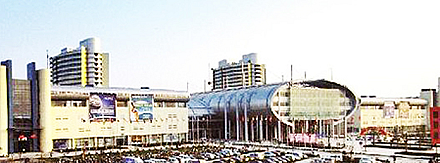 District 2 is the second major part of the Yiwu market, opened in 2004 and known as the hub for tools, hardware,
electrical products, and related equipment.
It covers around 483,000 m2 of land and roughly 600,000 m2 of indoor space, with more than
8,000 booths and over 10,000 sellers.
The district is spread across several connected buildings and two main business zones (sections F and G), so products
are laid out by floor and block in a fairly logical way.
District 2 is the second major part of the Yiwu market, opened in 2004 and known as the hub for tools, hardware,
electrical products, and related equipment.
It covers around 483,000 m2 of land and roughly 600,000 m2 of indoor space, with more than
8,000 booths and over 10,000 sellers.
The district is spread across several connected buildings and two main business zones (sections F and G), so products
are laid out by floor and block in a fairly logical way.
District 2 is specialized in suitcases and bags, umbrellas and rainwear, tools and hardware, kitchenware and bathroom items, small home appliances, electrical and electronic products, clocks and watches, telecom equipment, and measuring instruments. In one place you can find everything from basic hand tools and locks, through luggage and rain gear, to small household appliances and everyday devices. Thanks to this mix of practical and more industrial products, District 2 is especially interesting for importers who supply hardware stores, tool shops, electrical stores, and home goods retailers.
What you can buy in District 2
In District 2 you’ll mostly find tools, hardware, electrical items, and household products, along with a large selection of suitcases, bags, and rain gear. Most of the assortment is sold wholesale, with minimum order quantities (MOQ) per model or per carton, but you can usually combine many different products in one order and shipment.
- suitcases, travel bags, backpacks, business bags, school bags, and polyethylene packing bags
- umbrellas, raincoats, rainwear, and other rain protection products
- hand and power tools, tool accessories, and hardware components
- locks, padlocks, door and window fittings, and security hardware
- kitchenware, metal cookware, and bathroom hardware
- small home appliances and household electrical devices
- clocks, alarm clocks, wall and wrist watches, plus spare parts
- telecom equipment, electronic instruments, and measuring devices
Floor layout – District 2
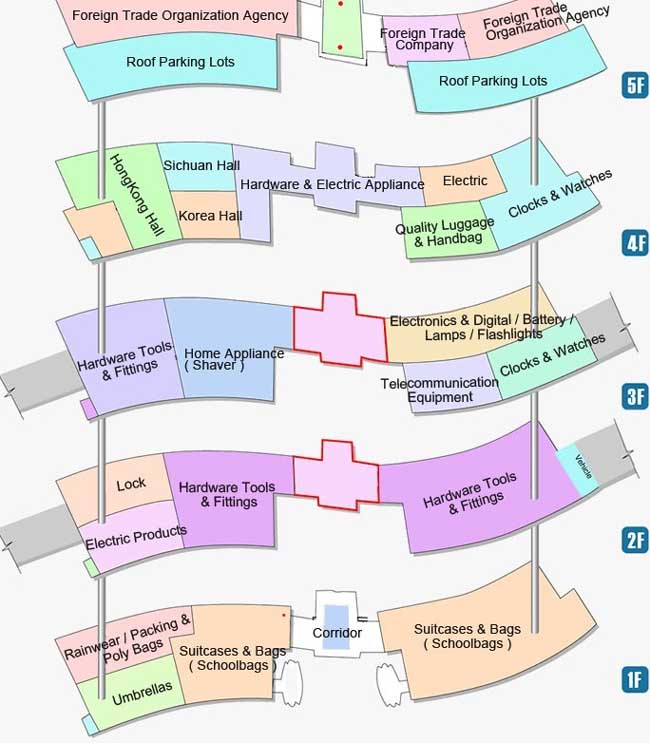
District 2 has five floors, and each product group has its own level, which makes it much easier to plan your visit.
- 1st floor – suitcases and bags, umbrellas, raincoats, rainwear, and poly packing bags.
- 2nd floor – tools, hardware, electrical products, locks, and some vehicles (bicycles, small vehicles).
- 3rd floor – kitchenware, sanitary ware, small household appliances, electronics, clocks and watches, batteries, and telecom equipment.
- 4th floor – manufacturer outlet centers and themed halls (HK Hall, Korea Hall, Sichuan Hall, and others), plus sections for hardware, electronics, and luggage.
- 5th floor – offices of foreign trade companies, export agents, and sourcing/service centers for overseas buyers.
On the 2nd and 3rd floors of the central hall you’ll also find a shopping and tourist area and a small museum about the history of China Commodity City, which makes this part of the market suitable even for a shorter, more “exploratory” visit.
Who District 2 is for
District 2 is especially useful for importers working with tools, hardware, electrical equipment, and household goods, as well as distributors of luggage, rainwear, and small appliances. It’s also a good choice for companies that supply DIY stores, hobby shops, and online stores that focus on practical products for everyday use at home.
- hardware chains, tool stores, and industrial supply shops
- stores selling electrical goods, small home appliances, and lighting
- retailers focused on suitcases, bags, backpacks, and travel accessories
- importers of clocks, alarm clocks, and small electronic gadgets
- companies that combine many types of practical products in one container
Practical visit tips for District 2
- Plan at least one full day just for District 2, especially if you’re interested in tools, electrical goods, and luggage.
- Focus on 1–2 product categories per day (for example, only tools and hardware, or only bags and rainwear).
- Take photos of booths, product codes, and business cards so you can easily compare offers later.
- Check quality carefully: ask to see different material and build levels for the same type of product and compare the price difference.
- Don’t rush to place deposits – first collect offers from multiple halls and sections (F and G), narrow your list to 3–5 suppliers, and only then negotiate.
Frequently asked questions about District 2
Can you buy single pieces in District 2, or only wholesale?
District 2 is primarily a wholesale market, so most sellers work with minimum order quantities (MOQ) and wholesale packs. In practice, you usually buy by pack, carton, or a set number of pieces per model, while single‑piece purchases are not a priority, except when you’re ordering samples.
How much time do you need to visit District 2?
If you’re only interested in one product group (for example, tools and hardware), one full day of focused walking is the minimum. If you also want to see luggage, rain gear, small appliances, and electrical items, plan on at least two days to visit enough booths and compare offers properly.
Does District 2 also cover small appliances and lighting?
Yes, on the upper floors of District 2 you’ll find a significant part of the offer of small household appliances, electronic devices, batteries, lamps, and similar household products. For some types of lighting and more specialized electronics, many buyers combine a visit to District 2 with other zones and suppliers in the city.
Do I need an agent to buy from District 2?
An agent is not mandatory, but often very helpful, especially for technical products and tools where specifications and quality really matter. A local agent can help you communicate with suppliers, negotiate, consolidate goods from multiple booths, and check quality before the shipment leaves China.
More articles about the Yiwu market
If you want to move from a general overview of the Yiwu market to specific halls, products, and visit planning, check out these guides:
Main overview
-
Yiwu – main guide
Yiwu basics: how to get there, where to stay, how to navigate, negotiate, and prepare for your visit.
International Trade Mart
-
District 1 – flowers, toys, decorations
Hall layout, where each category is located, and tips for negotiating with suppliers. -
District 2 – tools, hardware, electrics
Tools, auto accessories, garden products, batteries, and lighting – how to plan your visit. -
District 3 – office and fashion
Office supplies, sports equipment, cosmetics, eyewear, and fashion accessories. -
District 4 – footwear and home products
Footwear, socks, home textiles, and household products. -
District 5 – home textiles and gifts
Bedding, towels, curtains, home textiles, and business gifts.
Additional Yiwu markets and tips
-
Huangyuan Market
A specialized Yiwu market for clothing and textile products. -
A walk through the Yiwu market
The world’s largest wholesale market: what Yiwu International Trade City looks like, what you can find, how to negotiate, and how to organize your visit.
Supplier Guide
Finding and verifying suppliers
How to systematically find suppliers and check whether they’re truly reliable before you start working together.
How to choose a manufacturer in China
Practical criteria for choosing a factory once you’ve narrowed down your supplier list.
The Most Cost-Effective Way to Buy from China
Compare three buying options - cheap(B2C), cheaper(bulk on Alibaba), and most cost-effective(local factories + China agent).
How to Negotiate with Chinese Suppliers
A practical guide to negotiating with Chinese suppliers, with a focus on preparation, cooperation terms, and getting the right price.
MOQ and hidden import costs
What MOQ means, how to negotiate it, and which additional costs you should plan for before ordering.
Choosing Products to Import from China
Go back to our guides on finding profitable products and learn which regions of China specialize in different product categories.
← Back to Product SelectionCustoms and Import Regulations
Once you've selected a supplier, the next step is understanding HS codes, customs duties, product origin requirements, and the paperwork needed for importing.
Continue to Customs →Back to: ← China Supplier Guides
Back to: ← China Sourcing Hub