

Introduction to District 4
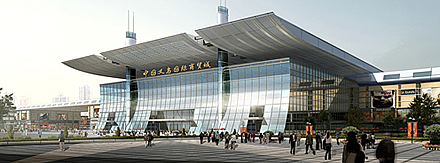 District 4 is the fourth and one of the largest parts of the Yiwu market, officially opened on October 21, 2008.
It is considered the sixth generation of Yiwu markets and, with 1,080,000 m2 under one roof and around 16,000 booths, it is the biggest cluster for socks, footwear, home products, and underwear in Yiwu.
District 4 is the fourth and one of the largest parts of the Yiwu market, officially opened on October 21, 2008.
It is considered the sixth generation of Yiwu markets and, with 1,080,000 m2 under one roof and around 16,000 booths, it is the biggest cluster for socks, footwear, home products, and underwear in Yiwu.
District 4 is not just a place to buy products — it is also the most modern part of the Yiwu market in terms of infrastructure. It is equipped with central air conditioning, large information screens, a broadband network, an LCD display system, solar power, a rainwater recycling system, and a transparent roof, which together make it a top-level sourcing center for shoes, socks, underwear, and household goods.
What you can buy in District 4
District 4 specializes in socks, footwear, home textiles and products, gloves, hats and caps, towels, bras, underwear, belts, and scarves. This is where shoe stores, hosiery and underwear boutiques, home goods shops, and clothing brands come to expand their assortment with extra categories.
- socks of all kinds: dress socks, kids’ socks, sports socks, and home socks
- footwear: women’s, men’s, children’s, sports, indoor, and seasonal shoes
- home products: towels, dishcloths, cleaning cloths, kitchen textiles, and other home textiles
- gloves, hats, caps, and knitted and cotton items for winter and leisure wear
- bras, underwear, belts, scarves, and other clothing accessories
Floor layout
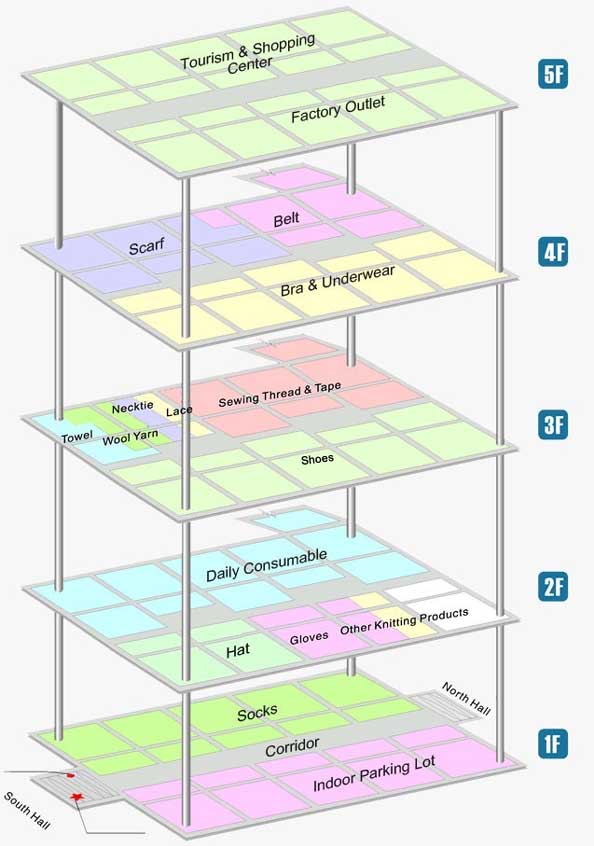
District 4 has four main floors, and each one focuses on specific categories, which makes the visit quite logical and easy to navigate.
- 1st floor — all types of socks: women’s, men’s, children’s, sports, dress socks, and home socks.
- 2nd floor — daily necessities, gloves, hats, caps, and knitted and cotton goods.
- 3rd floor — footwear, household goods, lace, towels, dishcloths, and other home textiles.
- 4th floor — bras, underwear, belts, scarves, and other clothing accessories.
On the upper levels and in the connected buildings you’ll also find extra showrooms and outlet areas for larger suppliers and brands.
Who District 4 is for
District 4 is ideal for retailers of footwear, socks, underwear, and home goods, as well as clothing brands that want to combine multiple related categories in one container. It is also a good choice for online sellers who offer different types of socks, shoes, and home textiles in one store.
- shoe and sock stores, lingerie and underwear boutiques
- home goods stores and retailers focused on home textiles
- clothing brands that want to add footwear, socks, or underwear to their lineup
- online shops with a wide range of socks, shoes, and household products
Practical visit tips
- Plan at least one full day in District 4 if you want to cover socks, shoes, and underwear properly; for serious sourcing across all categories, plan for two days.
- Organize your visit by floor: for example, start with socks on the 1st floor, then move to shoes and home goods on the 3rd floor, and finish with underwear and accessories on the 4th floor.
- Keep detailed records: take photos of booths, product codes, and prices so you can compare suppliers later.
- Check fabric quality and construction for shoes, socks, and underwear, and pay attention to sizes and fit standards for your target markets.
- For underwear and socks, look for outlet-style areas on the upper floors, where you can often get better terms on larger orders.
Frequently asked questions about District 4
What are the main product categories in District 4?
The main categories are socks, footwear, home products (towels, dishcloths, cleaning cloths), gloves, hats, caps, knitted and cotton items, as well as bras, underwear, belts, and scarves.
Where can I find socks in District 4?
Socks are mainly on the first floor — women’s, men’s, kids’, sports, dress, and home socks. Here you can compare many suppliers based on quality, materials, and packaging options.
Does District 4 also cover home textiles?
Yes, the third floor is where you’ll find towels, dishcloths, cleaning cloths, and home textiles. This makes it a good fit for home goods stores and online sellers focused on home textiles.
Is District 4 a good place to source underwear and bras?
Yes, the fourth floor focuses on bras, underwear, belts, and scarves. You can compare a large number of suppliers by quality, sizing, and packaging to find the right partners for your market.
More articles about the Yiwu market
If you want to move from a general overview of the Yiwu market to specific halls, products, and visit planning, check out these guides:
Main overview
-
Yiwu – main guide
Yiwu basics: how to get there, where to stay, how to navigate the market, negotiate, and prepare for your sourcing trip.
International Trade Mart
-
District 1 – flowers, toys, decorations
Hall layout, where each category is located, and tips for negotiating with suppliers. -
District 2 – tools, hardware, electrical goods
Tools, auto accessories, garden products, batteries, and lighting — how to plan your visit. -
District 3 – office supplies and fashion accessories
Office and school supplies, sports goods, cosmetics, eyewear, and fashion accessories. -
District 4 – footwear and home products
Footwear, socks, home textiles, and household products. -
District 5 – home textiles and gifts
Bedding, towels, curtains, home textiles, and business gifts.
More Yiwu markets and tips
-
Huangyuan Market
A specialized Yiwu market for clothing and textile products. -
A walk through Yiwu Market
The world’s largest wholesale market: what Yiwu International Trade City looks like, what you can find, how to negotiate, and how to organize your visit.
Supplier Guide
Finding and verifying suppliers
How to systematically find suppliers and check whether they’re truly reliable before you start working together.
How to choose a manufacturer in China
Practical criteria for choosing a factory once you’ve narrowed down your supplier list.
The Most Cost-Effective Way to Buy from China
Compare three buying options - cheap(B2C), cheaper(bulk on Alibaba), and most cost-effective(local factories + China agent).
How to Negotiate with Chinese Suppliers
A practical guide to negotiating with Chinese suppliers, with a focus on preparation, cooperation terms, and getting the right price.
MOQ and hidden import costs
What MOQ means, how to negotiate it, and which additional costs you should plan for before ordering.
Choosing Products to Import from China
Go back to our guides on finding profitable products and learn which regions of China specialize in different product categories.
← Back to Product SelectionCustoms and Import Regulations
Once you've selected a supplier, the next step is understanding HS codes, customs duties, product origin requirements, and the paperwork needed for importing.
Continue to Customs →Back to: ← China Supplier Guides
Back to: ← China Sourcing Hub