

Blog
Latest news, our services, tips and insights on doing business with China

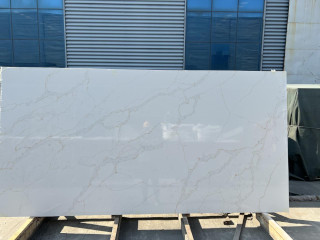
Are you interested in buying marble and granite from China?
You have no idea where to find stone at the best prices in China?
Having difficulty deciding which Chinese stone supplier is best for you?
In this guide, we will explain how to import granite and marble from China and try to answer your frequently asked questions about stone products.

132. The Canton Fair opens for virtual visitors on October 15.
It is a platform for those who want to source products from China or importers who want to see the latest that China has to offer. This is an opportunity to learn new trends for certain types of products, look for ideas for your business, build long-term business relationships with major Chinese suppliers and get their contact information.
The fair showcases products such as electronics and electrical household appliances, lighting equipment, vehicles and spare parts, machinery, hardware and tools, etc.

Finding good products for import and their successful resale is the main feature of a successful import business. In this text, we will be dealing with strategies for finding ideas for products that you could import.
Over the years we often received questions "what is it that is currently going, what is it that I could import and sell". There is no simple answer to that question.

The 131st Canton fair will be held in the period 15-24 April 2022.
If you didn't know, this is the biggest fair in China.
As in previous years, since the start of the corona pandemic, the fair will have its own virtual edition, so you can visit it from your armchair.
- PVA - Polyvinyl Alcohol
- The Tip of the Iceberg: The Real Cost of Shipping from China
- Global Manufacturing of Bitcoin ATMs: A Comprehensive Guide
- Navigating the Chinese Market: A Guide to Product Sourcing
- Solar panels from China
- Non-working public holidays in China for 2021
- China Shipping Costs in 2020: A Comprehensive Guide
- Experience the Global Marketplace: Your Guide to the Canton Fair
- How to choose manufacturers in China?
- Buying from China - cheap, cheaper, cheapest
Your First Step is Free
✓ Free consultation and project assessment
✓ Response within 24 hours
✓ No obligations
Or check out our blog for more details on importing from China