
Alibaba is a global B2B platform designed for wholesale purchasing directly from manufacturers in China. Unlike AliExpress, you don’t buy single pieces here – you order in larger quantities and can negotiate pricing, branding, and even production itself. If you’re planning to import products for your business, this guide walks you through the entire Alibaba buying process – from registration to receiving your goods.
In this guide, you’ll learn:
- What Alibaba is and who it’s really for
- The key differences between Alibaba and AliExpress
- How to find and vet a supplier
- A step‑by‑step buying process (7 steps)
- The most common mistakes and how to avoid them
- When it makes sense to hire an agent in China
What is Alibaba?
 Alibaba is a wholesale product catalog where you can find manufacturers of both components and finished products.
It’s considered one of the largest global B2B e‑commerce sites in the world.
Alibaba is a wholesale product catalog where you can find manufacturers of both components and finished products.
It’s considered one of the largest global B2B e‑commerce sites in the world.
Some key features of Alibaba:
- Buy at wholesale prices – Prices are usually much lower than retail, which gives you room for healthy margins.
- Huge product selection – From consumer electronics and machinery to clothing, footwear, furniture, and medical products.
- Product branding – You can put your own logo and brand on products you buy from the manufacturer.
- Create your own product – You can use your own designs and create a product you’ll sell under your own brand.
- Work with manufacturers – On Alibaba you mostly work directly with factories, which allows you to be involved in design, production, packaging, and shipping.
When you find a supplier on Alibaba, it’s important to understand that you’re working with a third party – a factory or trading company that is not directly connected to Alibaba itself. Alibaba doesn’t sell anything; it simply connects you (the buyer) with suppliers.
So, Alibaba is not a retail website. It’s an online wholesale catalog with wholesale pricing.
Alibaba vs AliExpress (short version)
AliExpress is an e‑commerce platform within the Alibaba Group, but unlike Alibaba.com it focuses on B2C transactions.
| Platform | Model | Purpose | Pricing |
|---|---|---|---|
| Alibaba | B2B | Import, wholesale, business | Wholesale |
| AliExpress | B2C | Single‑unit buying, testing | Retail |
Retail platforms like AliExpress are easier to use, but prices are higher and you have limited room for negotiation. If your goal is to import products for your business and work with serious volumes, Alibaba is usually the more cost‑effective option.
For a detailed comparison, see: AliExpress – basics.
How to choose a supplier on Alibaba
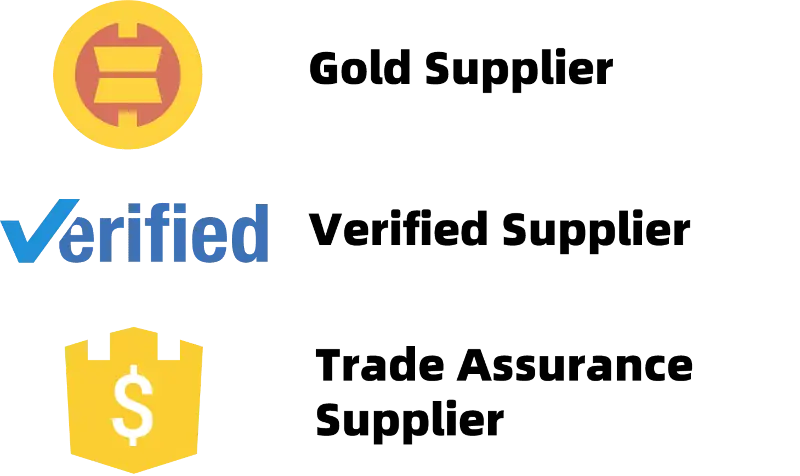
There are millions of sellers on Alibaba, but some have specific qualifications or certifications that set them apart. The main labels you should look for are: Gold Supplier, Verified Supplier, and Trade Assurance Supplier.
- Gold Supplier – companies that pay for a membership on the platform and are verified as registered businesses with industrial or commercial capacity.
- Verified Supplier – companies whose management systems, production capabilities, and process control have been audited and certified by third‑party partners.
- Trade Assurance Supplier – suppliers who accept payments directly through Alibaba, enabling order protection via Trade Assurance.
It’s a good idea to read reviews for each supplier and see what experiences previous clients have had. If you have questions, you can contact them via the Chat Now tool.
The hardest part: learn everything you can about the supplier and get a sample. Most serious suppliers should be willing to send you a sample. If they refuse – that’s a major red flag.
For more on supplier verification, see: How to find and vet suppliers in China.
How to buy from Alibaba in 7 steps
1. Create an account
Go to Alibaba.com and click Join Free. You’ll start by creating an account and entering:
- Country/region
- Trade role (Buyer or Both)
- Full name
- Email address
- Company name
- Phone number
Note: You don’t need an Alibaba account just to browse suppliers. However, if you plan to use Trade Assurance or RFQ, you’ll need to register.
2. Search and find products
There are two main ways to search:
- Site search – like any search engine: type in the product name and browse the results.
- RFQ (Request for Quotation) – post your request and let suppliers contact you with offers.

You can also “upload an image” to search visually using a photo of the product you’re looking for.

You can filter results by:
- Supplier type
- MOQ (minimum order quantity)
- Supplier country/region
- Certificates
For more on RFQs, see: Creating a request for quotation (RFQ).
3. Compare sellers and narrow down your list
Contact several suppliers and collect multiple quotes for the same product. Key points to compare:
- Price
- MOQ (minimum quantity)
- Production and delivery time
- Payment terms
Keep in mind that prices shown on Alibaba are often indicative – they can be lower than the real price just to attract buyers. You only get the full picture after a concrete quote and some negotiation.
4. Negotiate or place an immediate order
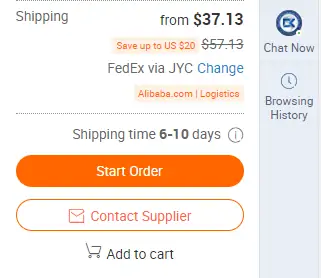
If a product has the Ready to Ship label and a Start Order button, you can buy it immediately without extra negotiation.
However, for samples, product tweaks, lowering MOQ, or better pricing – you’ll need to contact the supplier via Chat Now.
5. Place your order
Accepted payment methods on Alibaba include:
- Credit cards
- Debit cards
- e‑Checking (online bank payment)
- Bank transfer (T/T)
- Western Union
- “Pay later” options – usually up to 6 months, with interest of around 3.5%
Tip: Keep payments within Alibaba, especially upfront payments, so you stay protected by Trade Assurance.
6. Inspect your order
Before shipping, it’s wise to hire an independent inspection company (like us) to check the goods before they leave the factory. Once the goods leave China, returns or replacements become very expensive and complicated.
Trade Assurance protects you if the supplier ships late or if the quality is significantly worse than agreed.
7. Receive your goods
When your goods arrive:
- Count all items to make sure you received the agreed quantities.
- Check the products — look for damage, cleanliness, and whether the packaging looks acceptable.
- Leave feedback for the supplier and decide if you want to continue working with them.
For logistics, you can use Alibaba.com Freight or other freight forwarders – you’ll have options by sea, air, and courier.
Common mistakes and pitfalls when buying from Alibaba
- Taking listed prices at face value – the prices shown on listings are often “from” prices and lower than what you’ll actually pay.
- Ordering without a sample – always get a sample before your first large order.
- Moving off Alibaba – if you switch payment and communication off the platform, you lose Trade Assurance protection.
- Ignoring MOQ – some factories only work with larger quantities; pushing for very small orders can slow things down or block the deal entirely.
- Poor communication – vague inquiries and unclear requirements lead to misunderstandings and poor‑quality results.
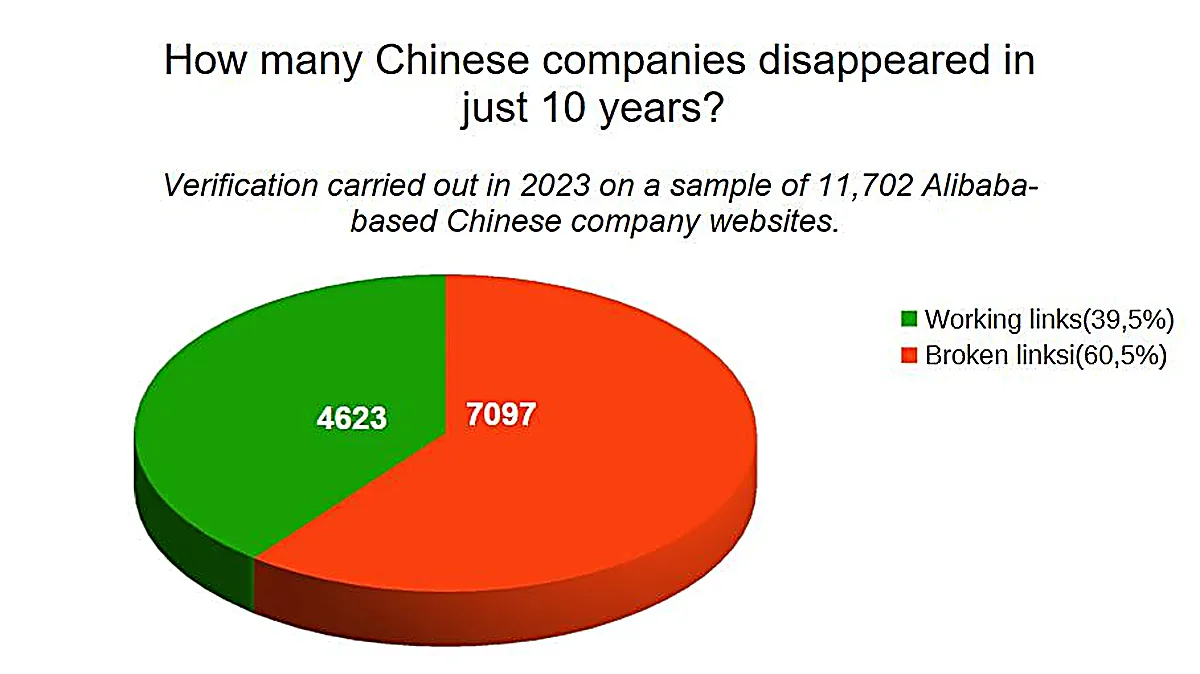
- Trusting a supplier just because they’re “on Alibaba” – being listed on the platform doesn’t automatically mean they’re reliable. Many companies disappear over time or change business; read more in Red Flags When Buying on Alibaba.
When do you need an agent in China?
If you want to import from China without stress and without worrying whether the purchase will go wrong, you can hand over the entire process to us — from choosing a manufacturer and supervising production and quality control, to export customs clearance and delivery.
This is what we’ve been doing professionally since 2010. You focus on choosing your niche and business model, and we handle the operational work in China.
Learn more about using a China agent and why it pays off: How to buy most cost‑effectively from China.
Want a safer, low‑risk buying process?
If you want to reduce the risk of scams, poor quality, or the wrong supplier, we can handle the whole process for you:
- Supplier and factory verification
- Sample sourcing and inspection
- Pre‑shipment quality control
- Price and terms negotiation
- Transport and customs coordination
More articles on Alibaba and AliExpress
If you want to move from an overview of the Alibaba ecosystem to concrete steps, experiences, and safe buying, check out these articles:
Overview
-
Alibaba Group
Overview of the Alibaba ecosystem: Alibaba.com (B2B), AliExpress, 1688, Taobao, Tmall, and key differences. -
Alibaba – pros and cons
Advantages, risks, and when Alibaba is the best solution for your business.
Buying and safety
-
How to buy from Alibaba
Step‑by‑step: registration, search, communication, samples, negotiation, ordering, and payment. -
Tips for safe buying on Alibaba
How to protect yourself: Trade Assurance, supplier verification, red flags, and pre‑shipment inspection. -
Red flags when buying on Alibaba
The most common pitfalls, companies disappearing from the platform, and how not to lose your goods and money. -
Creating a Request for Quotation (RFQ)
How to write a good RFQ, filter quotes, and compare multiple suppliers at once. -
Alibaba experiences
Our Alibaba experience as buyers and why we don't use it. -
Selling on Alibaba – an inside look
If you want to see how Alibaba looks from the seller's side, read about our experience on Alibaba.
AliExpress
-
AliExpress – basics
How AliExpress works, when to use it instead of Alibaba, and how to test products in small quantities. -
AliExpress buyer protection
Buyer Protection, opening a dispute, refunds, and tips for safe buying.
Frequently asked questions
1. Is Alibaba safe for buying?
Alibaba is a reliable platform, but it doesn’t guarantee that every individual supplier is reliable. You get the best protection if you use Trade Assurance and keep payments within the platform.
2. What’s the difference between Alibaba and AliExpress?
Alibaba is a B2B platform for wholesale; AliExpress is B2C for retail. Alibaba prices are lower but require larger quantities and negotiation.
3. How can I tell if a supplier is reliable?
Check their status (Gold/Verified/Trade Assurance), reviews, communication quality, and always order a sample. Serious companies have their own website, not just an Alibaba profile.
4. What is MOQ?
MOQ (Minimum Order Quantity) is the smallest quantity a supplier is willing to sell in one order. You can try to negotiate it down, but how flexible they are depends on the deal size and your leverage.
5. Can I order a sample?
Yes, most serious suppliers should be willing to send a sample. You may pay more for the first sample, but many suppliers will credit the sample cost towards your bulk order.
6. How does Trade Assurance work?
Trade Assurance protects you if the supplier fails to ship on time or if the quality is significantly different from what you agreed. Protection applies when you pay through Alibaba and keep communication on the platform.
7. What if the goods are damaged or don’t match the agreement?
If the goods are damaged or don’t match the agreed quality, contact the supplier immediately and open a dispute through Trade Assurance. Trade Assurance protects you if the supplier doesn’t resolve the issue. The best way to reduce this risk is to use an independent inspection before shipping.
Supplier Guide
Finding and verifying suppliers
How to systematically find suppliers and check whether they’re truly reliable before you start working together.
How to choose a manufacturer in China
Practical criteria for choosing a factory once you’ve narrowed down your supplier list.
The Most Cost-Effective Way to Buy from China
Compare three buying options - cheap(B2C), cheaper(bulk on Alibaba), and most cost-effective(local factories + China agent).
How to Negotiate with Chinese Suppliers
A practical guide to negotiating with Chinese suppliers, with a focus on preparation, cooperation terms, and getting the right price.
MOQ and hidden import costs
What MOQ means, how to negotiate it, and which additional costs you should plan for before ordering.
Choosing Products to Import from China
Go back to our guides on finding profitable products and learn which regions of China specialize in different product categories.
← Back to Product SelectionCustoms and Import Regulations
Once you've selected a supplier, the next step is understanding HS codes, customs duties, product origin requirements, and the paperwork needed for importing.
Continue to Customs →Back to: ← China Supplier Guides
Back to: ← China Sourcing Hub