

Alibaba Group is China’s largest e‑commerce ecosystem, covering almost every online business model – from B2B and B2C to C2C. Understanding the differences between Alibaba.com, 1688, Taobao, Tmall, and AliExpress is key to choosing the right channel for importing products.
A school teacher’s project that grew into an entrepreneur’s company.
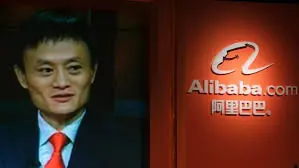
Together with 17 co‑founders, in 1998 he launched the Alibaba Online portal, which over time became one of the largest online marketplaces in the world. Alibaba was the first Chinese internet company to become globally recognizable.
In its home market it beat both eBay and Amazon, and today the group includes a whole range of products and services with the ambition to cover almost every segment of online business. The core of the business were the websites alibaba.com and alibaba.cn – that’s where it all started.
Why the site is called Alibaba
The idea for the name came in a café in San Francisco, when Jack Ma was looking for a name that people around the world would instantly recognize and link to a story.
He asked the waitress if she had heard of Alibaba, and she replied: “Of course, Ali Baba and the Forty Thieves.” After that he randomly asked people on the street and everyone knew who Alibaba was. At that moment he knew: this is a name the whole world understands – from Japan and China to Europe and the US.
“Open sesame!” – that’s how the site got its name.
The Alibaba ecosystem – platforms and services
Today, the group brings together websites and services that make it possible for almost anyone, anywhere in the world, to buy and sell online. In addition to the headquarters in China, there are offices in India, Korea, Japan, the UK, and the US, and the number of employees is in the tens of thousands.
The ecosystem includes, among others, the following platforms and services:
- Alibaba.com
- Alibaba.cn or 1688.com
- Aliexpress.com
- Taobao.com
- Tmall.com
- eTao
- Alipay
- Juhuasuan.com
- Aliyun
- China Yahoo!
B2B, B2C, C2C – which site is for whom
E‑commerce is usually split into three groups: B2B (business‑to‑business), B2C (business‑to‑consumer), and C2C (consumer‑to‑consumer). Within Alibaba Group, different sites cover different models:
- B2B: Alibaba.com and Alibaba.cn / 1688.com
- C2C: Aliexpress.com and Taobao.com
- B2C: Tmall.com
In practice, this means that B2B sites (Alibaba and 1688) are intended for wholesale buying and working with suppliers, while the other platforms are more focused on end consumers and smaller, single‑piece purchases.
Chinese sites, languages, and pricing
Sites that are only in Chinese are harder for us to use and you generally can’t buy directly from them, because most sellers don’t use English and their offers are primarily aimed at the Chinese domestic market.
This matters because prices on those sites are often lower than on international versions, and Chinese‑language versions usually have more sellers and more products.
Chinese Alibaba = 1688.com
Chinese AliExpress = Taobao
Etao is a product search engine for online goods – something like Google, but focused on specific e‑commerce sites.
Local currencies and image search
Even though there is no official Alibaba product catalog in Serbian or Croatian, on the site you can select your country (for example Serbia, Croatia) and prices will display in dinars, kuna, or another local currency.
On top of that, you can search Alibaba using images: you simply upload a product photo and the system will find similar items on the platform.
Aliexpress is translated into multiple languages, but translations mostly apply to the product catalog, main navigation, and price display in the currency of the selected country.
AliExpress has special deals with large retail chains and airlines, so for some products it’s possible to buy from China with “free shipping” – or more precisely, where shipping is already built into the product price.
Alipay and Aliyun in the Alibaba ecosystem
Alipay acts as a third party in purchases across these sites and is often described as “the Chinese PayPal”. Thanks to Alipay’s escrow payment system, online buying inside the Chinese market is significantly safer.
Aliyun is the group’s cloud computing platform (Alibaba Cloud), providing infrastructure and software services for e‑commerce and other online businesses both inside and outside China.
Comparisons and key numbers
Below are some illustrative numbers on users and products across the main platforms (figures are approximate and meant to show scale).
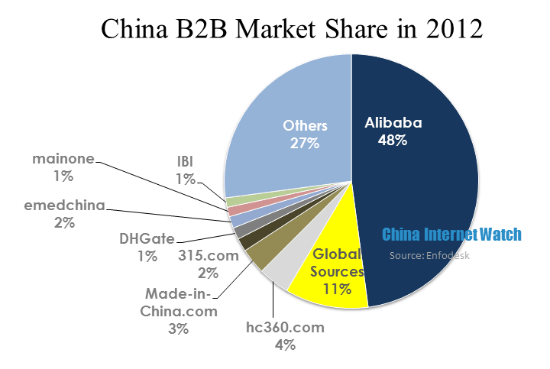
(B2B)
Alibaba.com – millions of registered users and hundreds of thousands to millions of sellers.
Alibaba.cn / 1688.com – an even larger number of users and sellers on the domestic Chinese market.
(C2C)
Aliexpress.com – millions of registered users and tens of millions of products.
Taobao.com – hundreds of millions of users and hundreds of millions of products.
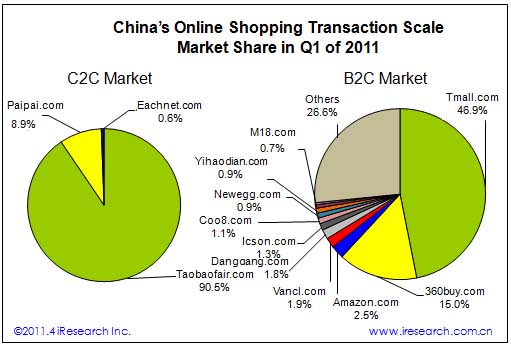
(B2C)
Tmall.com is a B2C platform focused on brands and vetted sellers and doesn’t have a full English copy – it’s primarily aimed at the domestic market, with an emphasis on branded goods.
More articles on Alibaba and AliExpress
If you want to move from an overview of the Alibaba ecosystem to concrete steps, experiences, and safe buying, check out these articles:
Overview
-
Alibaba Group
Overview of the Alibaba ecosystem: Alibaba.com (B2B), AliExpress, 1688, Taobao, Tmall, and key differences. -
Alibaba – pros and cons
Advantages, risks, and when Alibaba is the best solution for your business.
Buying and safety
-
How to buy from Alibaba
Step‑by‑step: registration, search, communication, samples, negotiation, ordering, and payment. -
Tips for safe buying on Alibaba
How to protect yourself: Trade Assurance, supplier verification, red flags, and pre‑shipment inspection. -
Red flags when buying on Alibaba
The most common pitfalls, companies disappearing from the platform, and how not to lose your goods and money. -
Creating a Request for Quotation (RFQ)
How to write a good RFQ, filter quotes, and compare multiple suppliers at once. -
Alibaba experiences
Our Alibaba experience as buyers and why we don't use it. -
Selling on Alibaba – an inside look
If you want to see how Alibaba looks from the seller's side, read about our experience on Alibaba.
AliExpress
-
AliExpress – basics
How AliExpress works, when to use it instead of Alibaba, and how to test products in small quantities. -
AliExpress buyer protection
Buyer Protection, opening a dispute, refunds, and tips for safe buying.
Frequently asked questions
What is the difference between Alibaba.com and 1688.com?
Alibaba.com is an international B2B platform aimed at buyers around the world, while 1688.com is a domestic B2B platform focused on the Chinese market, with lower prices but requiring Chinese language and local payment methods.
When is it better to use Alibaba and when AliExpress?
Alibaba is better for bulk imports, working directly with factories, and negotiating terms, while AliExpress is more practical for smaller, test, or one‑off orders and buying single units.
Can I buy directly from Taobao and Tmall from our market?
Buying directly from Taobao and Tmall is difficult because these platforms are built for the Chinese market, most sellers don’t use English, and payment and shipping are set up for domestic customers. For buyers from our region, purchases are usually made via agents or local sourcing companies.
Supplier Guide
Finding and verifying suppliers
How to systematically find suppliers and check whether they’re truly reliable before you start working together.
How to choose a manufacturer in China
Practical criteria for choosing a factory once you’ve narrowed down your supplier list.
The Most Cost-Effective Way to Buy from China
Compare three buying options - cheap(B2C), cheaper(bulk on Alibaba), and most cost-effective(local factories + China agent).
How to Negotiate with Chinese Suppliers
A practical guide to negotiating with Chinese suppliers, with a focus on preparation, cooperation terms, and getting the right price.
MOQ and hidden import costs
What MOQ means, how to negotiate it, and which additional costs you should plan for before ordering.
Choosing Products to Import from China
Go back to our guides on finding profitable products and learn which regions of China specialize in different product categories.
← Back to Product SelectionCustoms and Import Regulations
Once you've selected a supplier, the next step is understanding HS codes, customs duties, product origin requirements, and the paperwork needed for importing.
Continue to Customs →Back to: ← China Supplier Guides
Back to: ← China Sourcing Hub